Water Damage Restoration Process - Complete Homeowner's Guide
The water damage restoration process follows six stages: emergency response, inspection, water removal, drying, cleaning, and final checks. Our IICRC certified team at Chris' Carpet Service & Water Restoration has handled water damage restoration across Tampa Bay for nearly five decades. Knowing each step takes a lot of the fear out of it.
Here's what happens at each stage, how long it takes, and how you can help it go faster. We'll keep the jargon to a minimum. Mostly.
What Are the Stages of Water Damage Restoration?
Water damage restoration has six stages, and each one sets up the next. Skip a step or rush it, and moisture hides in walls or under floors where it can grow mold later. Most homes go from the first phone call to fully dry in about three to seven days.
Stage 1: Emergency Call (Hour 1)
We pick up 24/7 and send a crew.
Stage 2: Inspection (Day 1)
Moisture meters and thermal cameras show exactly how far the water traveled behind walls and under floors.
Stage 3: Water Removal (Day 1)
Extractors pull out standing water.
Stage 4: Drying (Days 1 to 5)
Dehumidifiers and air movers run nonstop while we track moisture readings every single day until the numbers hit dry.
Stage 5: Cleaning (During Drying)
Antimicrobial treatment and odor control.
Stage 6: Final Check (Last Day)
Final readings confirm everything is dry, and rebuild work can begin.
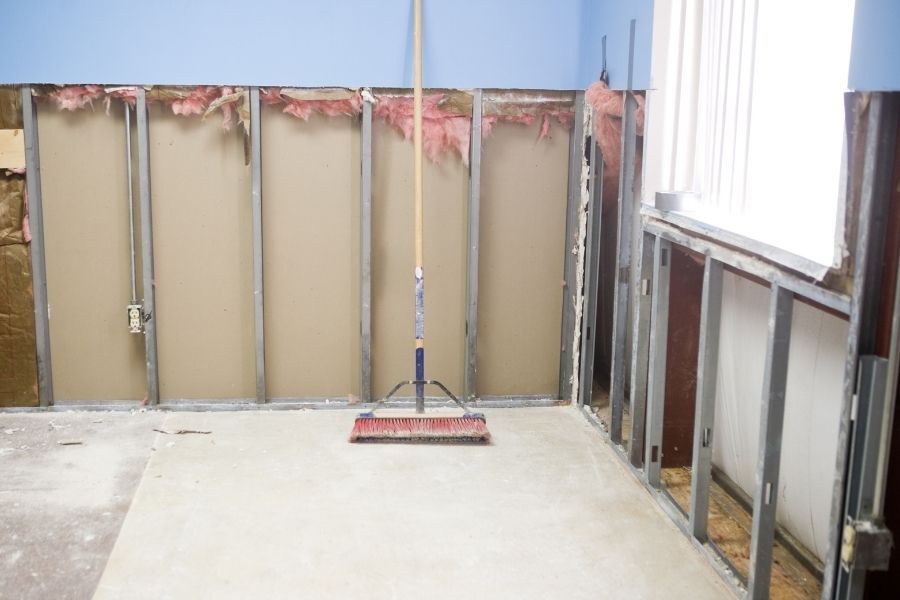
Cutting wet drywall above the water line lets the wall cavity dry out. We handle the demo and refer rebuild work to trusted contractors.
What Should Happen in the First Hour?
The first hour is about safety and stopping the source. Shut off the water main if a pipe or supply line burst, and keep everyone away from outlets and cords near standing water. Then call a restoration company that answers around the clock, because every hour of wet drywall makes the job bigger.
While you wait for the crew:
- Turn off power to wet rooms, but only if the breaker panel is dry and easy to reach.
- Take photos and video of everything before anything gets moved.
- Move rugs, shoes, and small items off wet floors.
- If the water might be sewage, skip the shop vac and let us handle it.
Our phones stay on 24/7, so a burst pipe at 2 AM gets the same answer as one at noon. For a printable version of these steps, grab our emergency water damage checklist.
Please don't wait for it to dry on its own. Call Chris' Carpet Service & Water Restoration, day or night, and we'll send a crew with extraction and drying equipment.
How Do Pros Inspect and Classify Water Damage?
Inspection tells us where the water went and how dirty it is. We use moisture meters and thermal imaging cameras to trace water behind baseboards, under flooring, and up into drywall. Then we classify the water by category, which decides what can be dried in place and what has to go.
Florida construction matters here. Most local homes sit on concrete slabs, so water spreads sideways. It creeps under tile and laminate, then wicks up drywall, sometimes a foot above the waterline you can see.
Clean, Gray, or Black Water?
Restoration crews follow the IICRC's industry standards, including S500 for water damage. It sorts water into three categories:
| Category | Common Sources | What It Means for Cleanup |
|---|---|---|
| Category 1 (clean) | Burst supply line, leaking water heater | Often dried in place if we get there fast |
| Category 2 (gray) | Washer or dishwasher overflow, toilet overflow without waste | Pad usually comes out, and surfaces get treated |
| Category 3 (black) | Sewage backup, rising floodwater, storm surge | Porous materials like carpet and wet drywall get removed |
Clean water doesn't stay clean for long in Florida heat. After a day or two, it can pick up enough bacteria to count as Category 2. Anything involving waste calls for our sewage backup cleanup process, with protective gear and containment.
How Is Standing Water Removed?
Water removal is the fastest way to shorten the whole job. We use commercial extractors to pull water out of carpet and pad, plus pumps when there's deeper standing water. Getting liquid water out early means the dehumidifiers have far less work to do later.
What Gets Removed and What Stays?
This is the part homeowners dread, and we get it. Nobody enjoys watching their baseboards head to the curb. But some materials can't be saved once they're soaked, and leaving them in place traps moisture against the wall.
- Wet carpet pad usually comes out, since it holds water like a sponge.
- Carpet can often be saved after a clean water leak, but not after sewage.
- Swollen laminate and particleboard cabinet bases rarely bounce back.
- Wet drywall gets a flood cut a foot or two above the waterline so the wall cavity can dry.
- Tile often stays, though trapped water sometimes means pulling a section.
We handle this demolition as part of mitigation, and we photograph everything before it leaves your house. That record matters later for your insurance claim.
Why Does Drying Take Several Days?
Drying takes several days because water soaked into wood, drywall, and concrete has to evaporate slowly. Commercial dehumidifiers pull moisture out of the air, and air movers push dry air across every wet surface. Most drying jobs we see in Pinellas County finish in three to five days.
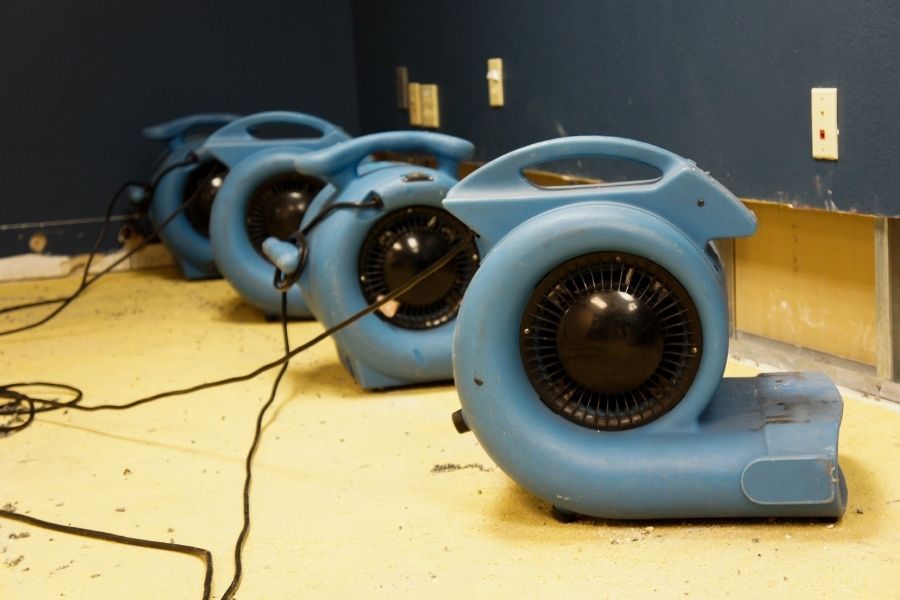
Air movers and a dehumidifier teaming up. Yes, it's loud. Think of it as white noise with a job to do.
Speed matters for more than comfort. The EPA's guide to mold and moisture says water damaged areas should be dried within 24 to 48 hours to prevent mold growth. In a humid Florida summer, that window closes fast.
Why Your Box Fan Isn't Enough
We love the effort, but a box fan mostly shoves damp air around. Opening windows backfires here too, since Tampa Bay air is often wetter outside than in. So we keep the house closed and let the equipment work.
Our techs check moisture readings daily until wood and drywall reach dry standards. Curious about the machines humming in your living room? Our breakdown of water damage restoration equipment explains each one.
If a slow leak went unnoticed long enough for growth to start, the job shifts to professional mold remediation with containment first. We're licensed for mold remediation in Florida.
What Does Cleaning and Sanitizing Involve?
Cleaning removes the bacteria, dirt, and odors that water leaves behind, even after everything feels dry. We apply antimicrobial treatments to framing and slab, clean the carpet we can save, and handle odor control so the house doesn't smell like a damp towel.
Belongings get sorted too. Dishes and tools can usually be cleaned, but pillows that touched sewage can't. We'll tell you straight when something isn't worth saving. Carpet and upholstery cleaning is right there in our name, so this stage is home turf for us.
What Happens After Everything Is Dry?
The job wraps up once final moisture readings confirm every material is back to normal. We compare wet areas against unaffected parts of your home, pull the equipment, and hand over our drying records. From there, rebuild work like new drywall, flooring, and paint can begin.
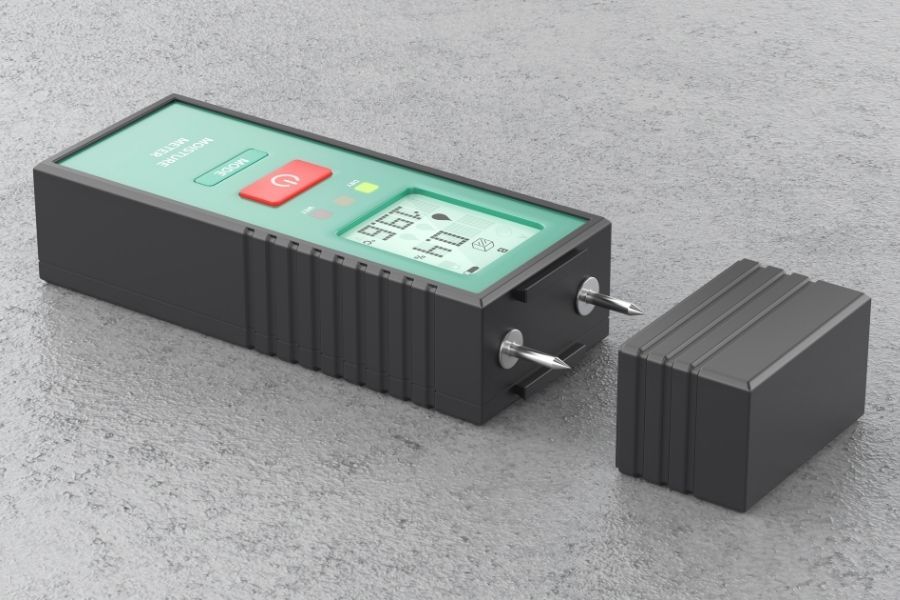
Drywall can feel dry to the touch and still hold enough moisture to feed mold, so we measure instead of guessing.
We focus on mitigation and demolition, not full reconstruction. When it's time to rebuild, we'll point you to trusted contractors from our referral network.
Where Insurance Fits In
Most homeowners file a claim during the first day or two. We document the damage with photos, moisture maps, and daily logs, and we write estimates in Xactimate, the same software most adjusters use. That shared language cuts down on the back and forth.
Want your claim in better shape before the adjuster shows up? Our guide on documenting water damage for insurance covers what to photograph and save.
Water damage is stressful, but the process doesn't have to be a mystery. Call Chris' Carpet Service & Water Restoration, 24/7, for free estimates and fast help across Pinellas County and South Hillsborough.
See Our Tampa Bay Service AreasWater Damage Restoration FAQs
These are the questions we hear most often once the fans are running. Each answer comes from what our crews see on real jobs around Largo, Clearwater, and St. Pete. If your situation isn't covered here, give us a call and we'll talk it through with you.
Can I stay in my home during water damage restoration?
Usually, yes, when a clean water leak affects one or two rooms. Sewage jobs or damage that knocks out your only kitchen or bathroom can mean a few nights somewhere else.
Can I turn the drying equipment off at night?
Please don't. Drying stops the moment the machines do, and a few hours off can add a day or more to the job.
Does homeowners insurance cover the restoration process?
Many policies cover sudden, accidental leaks like a burst pipe. Rising floodwater from outside usually needs a separate flood policy, and slow leaks that went ignored are often excluded. Check your policy or ask your agent.
What if the water has been sitting for a few days?
Call anyway. Older water damage often means more tear out and a closer look for mold, but the same process still applies.