Emergency Water Damage Checklist for Residents
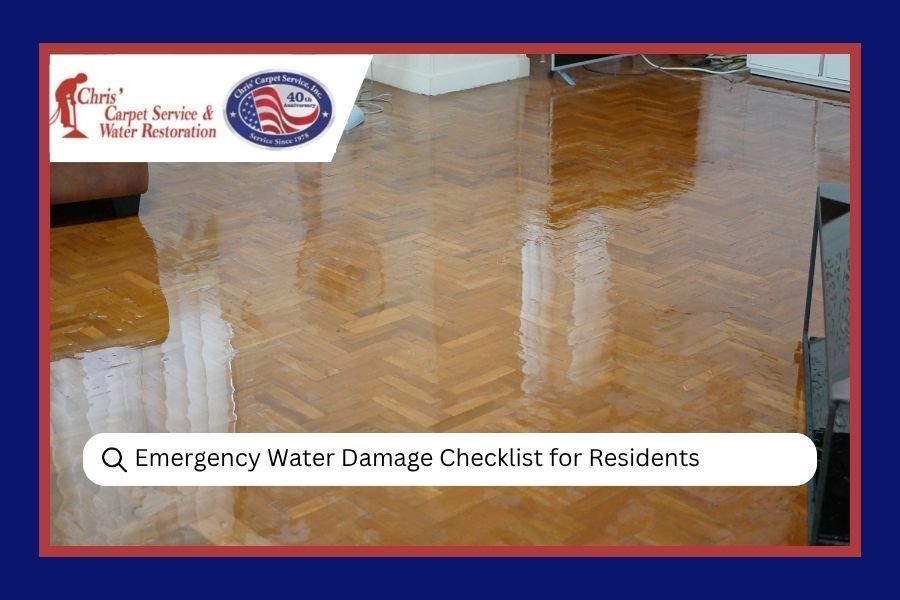
Water never picks a good time to show up. If it's spreading across your floor as you read this, here's the short version: stay safe, stop the source, and call for help fast. Our team at Chris' Carpet Service & Water Restoration has handled emergency water damage restoration across the Tampa Bay area since 1976, and we put this checklist together so you know exactly what to do first.
The First 5 Minutes: Your Emergency Water Damage Checklist
The first five minutes matter more than the next five hours. Your goal is simple: protect the people inside, cut off the water, and limit the damage before it soaks in deeper.
Here's what to do, in order:
- Get everyone safe first. Move kids and pets away from the water, since standing water and electricity make a dangerous mix.
- Shut off the power to the affected rooms at the breaker, but only if you can reach it without stepping in water.
- Find the source and stop it. Close the main water valve for a burst pipe, or shut off the supply line under a sink or toilet.
- Take photos and video of everything before you move it. Your insurance company will want proof.
- Move what you can. Lift furniture, rugs, and electronics off the wet floor to higher, dry ground.
- Call for help. The faster a trained crew arrives, the less your home soaks up.
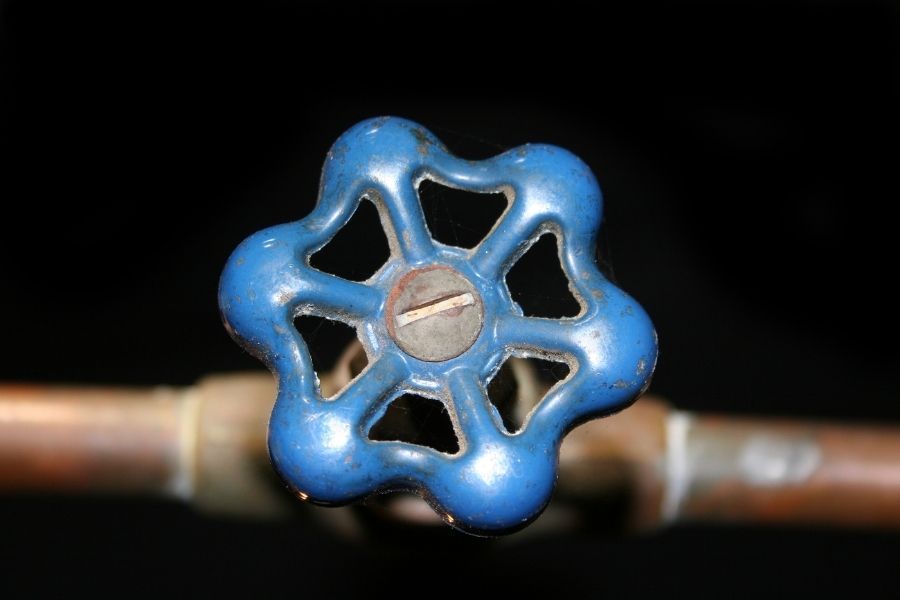
Find your main shut-off valve now, before you ever need it.
Water spreading right now?
We answer the phone 24/7 and our average arrival time is about 60 minutes. Don't wait for it to dry on its own. It won't.
Get Emergency Help NowStep-by-Step: What To Do When Water Hits
Once everyone's safe and the water's off, you've got a short window to slow the damage. Florida heat and humidity speed everything up, so drying matters more here than almost anywhere. Work through these steps while you wait for a crew.
- Soak up standing water. Use towels, a wet/dry vacuum, or a mop to pull up as much as you safely can.
- Get air moving. Open windows, run fans, and turn on the AC to help pull moisture out of the room.
- Pull up loose rugs. Wet rugs trap moisture against your subfloor and can stain hardwood underneath.
- Wipe down wood furniture. Standing water leaves rings and warps wood fast.
- Keep documenting. Snap photos as you go and keep receipts for what you buy.
Want a deeper walkthrough of those opening moves? We cover them in our guide on the emergency steps for water damage.
Clean, Grey, or Black Water? Know the Difference
Not all water is the same, and the type changes everything. The IICRC, the body that sets restoration standards, sorts it into three categories. Knowing which one you've got tells you how risky cleanup really is, and whether it's even safe to touch.
| Category | Where It Comes From | Safe to DIY? |
|---|---|---|
| Clean (Cat 1) | Broken supply line, overflowing tub, rainwater | Small spills, yes. Soaked carpet, no. |
| Grey (Cat 2) | Washing machine, dishwasher, AC overflow | Risky. Call a pro. |
| Black (Cat 3) | Sewage, toilet overflow, storm flooding | Never. This one's hazardous. |
Want the full breakdown? We cover each one in our post on the three categories of water damage. The rule of thumb is simple. When in doubt, treat it as the dirtier category.
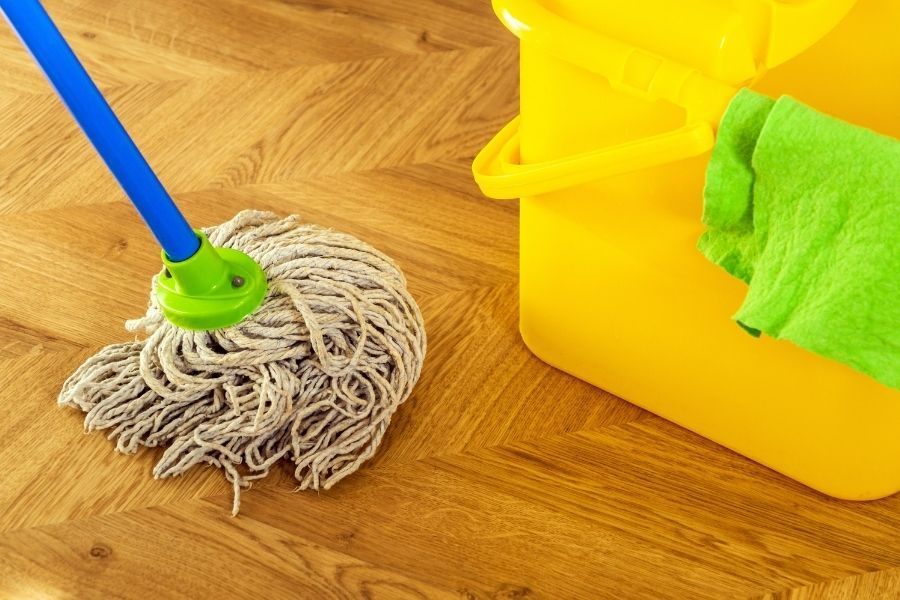
Mopping up what you can helps, but a sponge mop won't pull moisture out of the subfloor or padding underneath.
What Not To Do (The Mistakes That Cost the Most)
We see the same avoidable mistakes on emergency calls, and they almost always make the bill bigger. A few smart "don'ts" can save you thousands.
The 24 to 48 Hour Mold Clock
Mold can start growing within 24 to 48 hours of water exposure. In our humid climate, that clock ticks fast. Drying out quickly is the best way to stop a water problem from becoming a mold problem. The EPA's flooded home cleanup guidance backs this up.
- Don't wait it out."It'll dry on its own" is how a small leak becomes a gutted wall.
- Don't use a household vacuum to suck up water. That's a shock hazard, not a cleanup tool.
- Don't ignore what you can't see. Water hides inside walls, under flooring, and behind cabinets.
- Don't touch contaminated water without protection. Sewage and storm water carry bacteria.
If mold has already taken hold, that's a different job. Our certified mold remediation crews handle it safely so it doesn't come back.
When To Call the Pros vs. Handle It Yourself
Small, clean spills you catch right away are usually a DIY job. Anything bigger, dirtier, or hidden needs trained eyes and real equipment.
You can probably handle it if:
- The water is clean and you stopped it fast
- It covers a small area on tile or vinyl
- Nothing soaked into carpet, drywall, or insulation
Call us if:
- Water touched carpet, drywall, baseboards, or insulation
- It sat for more than a day
- It came from a storm, a sewer line, or rising floodwater

Once you're safe, call a restoration crew right away, the sooner drying starts, the less damage you're left with.
Storm flooding is its own animal on the Gulf Coast. If a hurricane or heavy rain pushed water in, our flood damage restoration team knows what coastal homes face. We document everything with Xactimate pricing to keep your insurance claim smooth. Here's how to document water damage for your insurer the right way.
A family-owned crew that actually shows up.
We've served Tampa Bay homeowners since 1976, we're IICRC certified, and we're here around the clock.
Water Damage Help in TampaFrequently Asked Questions
How fast does water damage cause mold in Florida?
Mold can begin growing within 24 to 48 hours of water exposure. Our high humidity speeds that up, so quick drying is the best defense. The longer materials stay wet, the higher the risk.
Should I turn off the electricity if my floor is flooded?
Yes, but only if you can reach the breaker without standing in water. Water and electricity are a serious shock hazard. If you can't get to it safely, stay clear and call us. The CDC's flood re-entry safety guide covers this in detail.
Does homeowners insurance cover emergency water damage?
Often yes, when the damage is sudden and accidental, like a burst pipe. Gradual leaks and poor maintenance are usually excluded. We're experienced with claims and use Xactimate pricing to help you build a clean, documented file.
How quickly can your team get to my home?
We answer the phone 24/7 and our average emergency response time is about 60 minutes. The sooner you call, the more we can save. We're here for you any time, day or night.