How to Prevent Water Damage Before Hurricane Season
The best time to prevent water damage is before the first storm forms, not after it is already inside your home. Since 1976, our team at Chris' Carpet Service & Water Restoration has handled IICRC certified water damage restoration across the Tampa Bay area. A little prep now saves a soggy mess later.
Why Does Hurricane Season Hit Florida Homes So Hard?
Florida sits right in the path of warm Gulf and Atlantic storms, so heavy rain, wind driven water, and storm surge often arrive together. Hurricane season runs June through November. Our flat coastal ground gives rainwater nowhere to drain fast, which is why even a glancing storm can push water into a home that looked bone dry the day before.
Most of the damage we see is not the dramatic stuff on the news. It is the quiet leaks: water under a door, a drip from a tired roof seam, a window frame with old caulk. We broke down why coastal Florida homes flood more than other regions in a separate post.
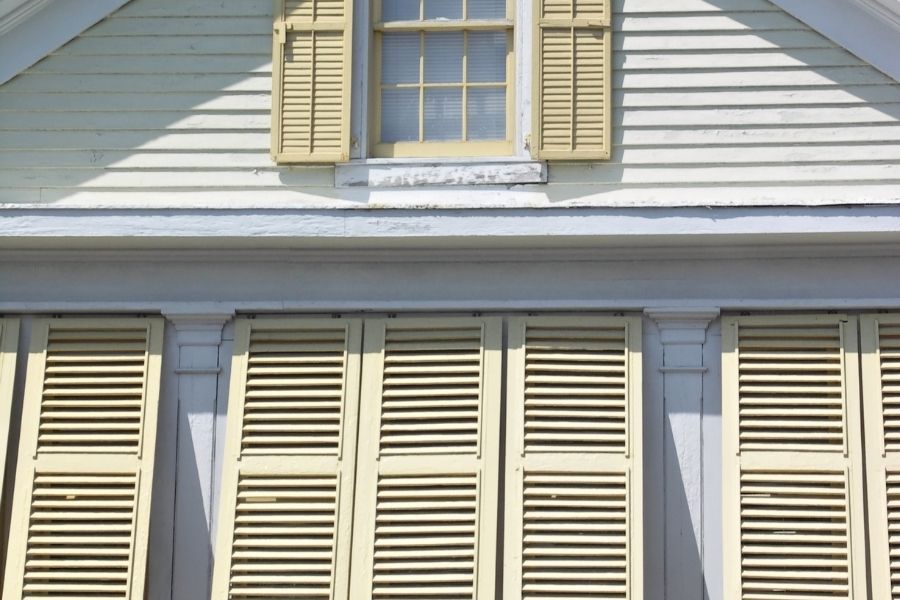
Shutters up, yard cleared. Prepping the outside of the home is your first line of defense against storm water.
When Should You Start Prepping for Hurricane Season?
Start before June, not when a storm is already named on the radar. The calm stretch from late winter into spring is the right window to fix small problems while supplies are cheap and crews are not slammed. Once a hurricane is a few days out, hardware stores empty fast and good contractors get booked solid.
Think of it as a yearly checkup. You walk the property and clear out anything clogged. The folks at Ready.gov flood guidance say build your plan well ahead of the season. We agree.
Get a free estimate and an honest look from a local team that has seen it all since 1976.
Get a Free EstimateHow Can You Prevent Water Damage Before a Hurricane?
The goal is simple: keep water out, give it a path away from the house, and shut off the sources you can. Most prevention comes down to sealing gaps, clearing drainage, and protecting the openings where wind driven rain loves to sneak in. No fancy tools needed, just a free Saturday.
Research from IBHS on wind driven rain shows that sealing the outside of your home is one of the biggest storm season wins. Start there.
Outside the Home
- Clear gutters and downspouts so rain drains away from the walls.
- Trim loose limbs before they snap onto the roof.
- Re-caulk windows and doors, and check the weatherstripping.
- Store patio furniture, grills, and anything that could become a projectile.
- Find your water shutoff and make sure it actually turns.
Inside the Home
- Move valuables, documents, and electronics up off the floor.
- Photograph each room now, so you have proof before any damage hits.
- Keep towels, a wet vac, and a few tarps within easy reach.
- Know how to cut power to low rooms, so a wet floor never meets a live outlet.
2️⃣ Gaps around windows and door frames
3️⃣ Garage doors and thresholds
4️⃣ Clogged gutters that dump water at the foundation
A quick one-pass reference:
| Prevention Task | When | Why It Matters |
|---|---|---|
| Clear gutters and drains | Before June | Sends rain away from walls and foundation |
| Seal windows and doors | Before June | Blocks the wind driven rain behind most leaks |
| Photograph your home | Storm watch | Gives you proof for a faster claim |
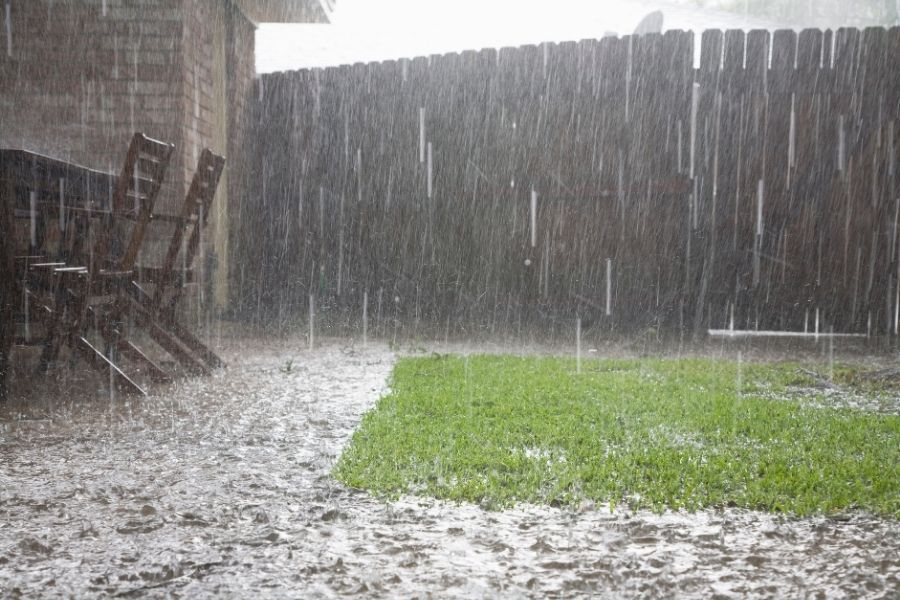
Our Tampa Bay summers can dump inches of rain in an hour, and yards that don't drain fast send water toward the house.
Our water damage prevention guide covers the everyday habits that pay off year round, too.
What If Water Still Gets Inside?
If water does get in, speed is everything, because mold can start growing within 24 to 48 hours in our humidity. Pull up what you safely can, get air moving, and call a professional before the damp settles into drywall and framing. The faster the dry out starts, the less you lose.
This is where our crew earns its keep. We use moisture meters to find water you cannot see, commercial dryers to pull it out, and Xactimate to document everything for a smoother insurance claim.
If mold has already taken hold, that moves into professional mold remediation. If storm surge pushed in serious flooding, it becomes flood damage restoration. We handle both, and we lay out the 5 critical steps to take after a storm so you are never guessing.
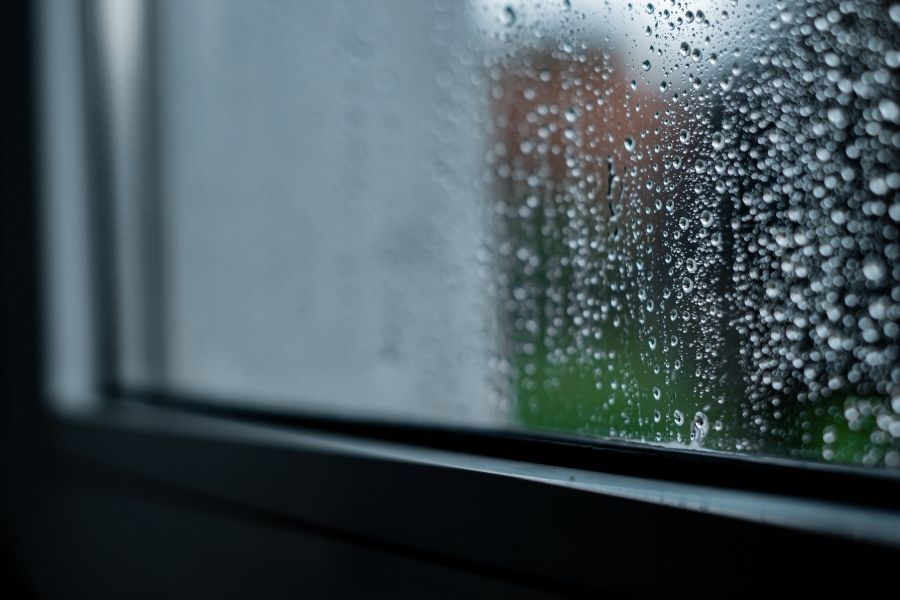
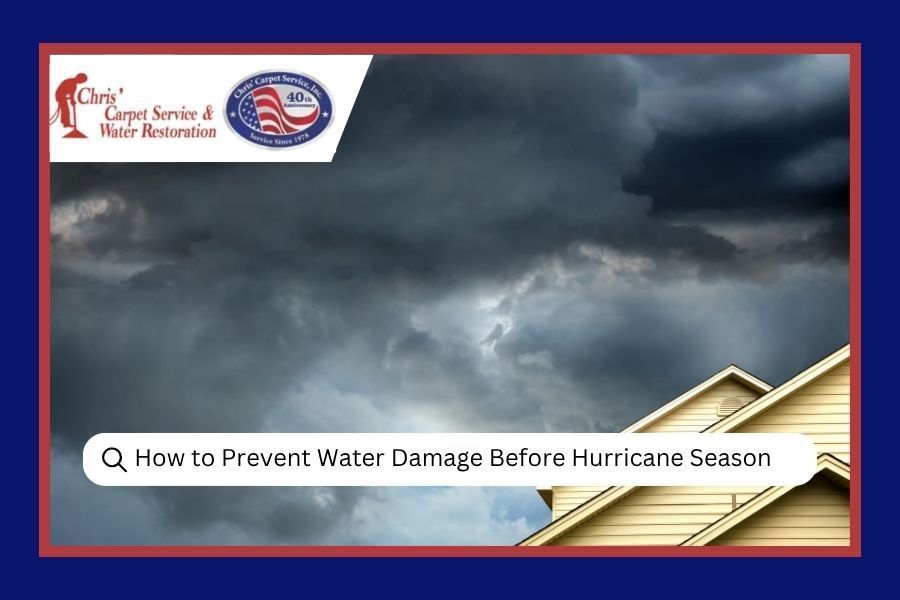
Driving rain like this finds its way in through tired window seals and door frames faster than people expect.
We answer the phone 24/7 and aim to be on site in about an hour. Largo, St. Pete, or fast water damage cleanup in Clearwater, a real person picks up.
Hurricane season will do its thing whether we are ready or not. A free Saturday of prep and a number you trust in your phone is most of the battle. Stay dry out there, Tampa Bay. We have got your back if the water wins, free estimates and a military discount included.
Frequently Asked Questions
When does hurricane season start and end in Florida?
Atlantic hurricane season runs June 1 through November 30. The peak is usually mid August into October, but storms form on either end, so be ready before June.
Does homeowners insurance cover hurricane water damage?
It depends how the water got in. Wind driven rain through a damaged roof is often covered, while rising water and storm surge usually need a separate flood policy. Check your coverage before the season, not after.
How quickly can mold grow after a storm in Florida?
In our heat and humidity, mold can take hold within 24 to 48 hours of water sitting in a home. That short window is why we push for a fast dry out instead of waiting to see what dries on its own.
What is the first thing I should do if water gets in during a storm?
Safety first, so cut the power to any room with standing water before you step in it. Then stop the source if you can do it safely, photograph the damage, and call a restoration pro to start drying.