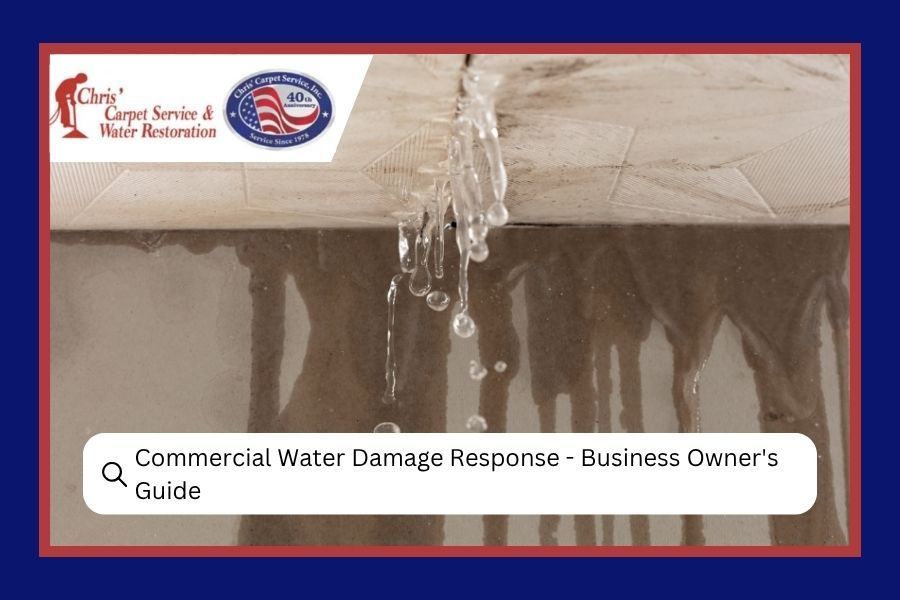
Commercial Water Damage Response - Business Owner's Guide
A burst pipe or a storm flood can shut a business down in minutes, but a fast, calm response keeps both the damage and the downtime small. The first hour matters most. Our IICRC certified team at Chris' Carpet Service & Water Restoration handles commercial water damage restoration across Tampa Bay. We wrote this guide to help owners act with a clear head when water shows up uninvited.
What Counts as Commercial Water Damage?
Commercial water damage is any unwanted water that gets into a business and threatens the building, its contents, or its work. It hits offices, shops, restaurants, warehouses, and clinics. The source can be a slow drip or a sudden flood. Either way, the clock starts the moment water meets drywall, carpet, or stock.
Some causes are easy to spot. A pipe lets go overnight, or a storm pushes rain through the roof. Other leaks hide for weeks. You might not notice until a stain spreads or a musty smell sets in.
For a business, the stakes climb fast. You're juggling staff, customers, inventory, and the gear that keeps your doors open. Water can wreck all of it in one bad afternoon. One flooded day can cost you weeks.
Common Sources of Commercial Water Damage
Here are the sources we run into most often in Tampa Bay businesses:
- Aging supply lines and water heaters that fail without warning
- Roof leaks and wind driven rain during storm season
- Fire sprinkler discharge after an alarm or accident
- HVAC condensation and clogged drain lines
- Sewer and drain backups in restrooms and kitchens
- Overflowing toilets, sinks, and dish areas
- Slab leaks under concrete floors
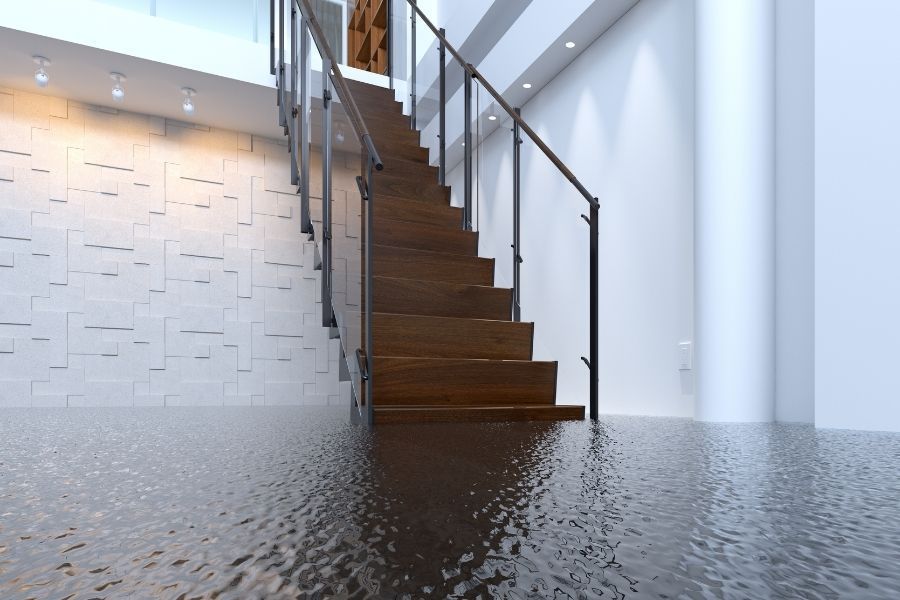
Standing water spreads fast across a commercial floor, soaking carpet, drywall, and stock within minutes.
Why the First Hour Matters for Your Business
Water damage gets worse by the hour, so the speed of your response decides how much you lose. Within a day, moisture soaks into walls, floors, and insulation. The EPA notes that mold can grow within 24 to 48 hours of water exposure. Florida humidity only speeds that up.
For a business, the cost is not just the building. It's closed doors, lost sales, and customers who go elsewhere. That's why every minute counts during emergency water removal. It's also why our phones stay answered around the clock.
Standing water also creeps where you can't see it. It slips under baseboards and into wall cavities. Miss that hidden water and mold can follow weeks later. Our crews use moisture meters and thermal cameras to find every wet spot.
Wet floors bring real safety risks too, like slips and electrical hazards. That's one more reason to act fast.
The faster you dry out, the faster you reopen. Some commercial policies even cover income you lose while the doors are closed. A quick, well documented response supports that part of the claim too.
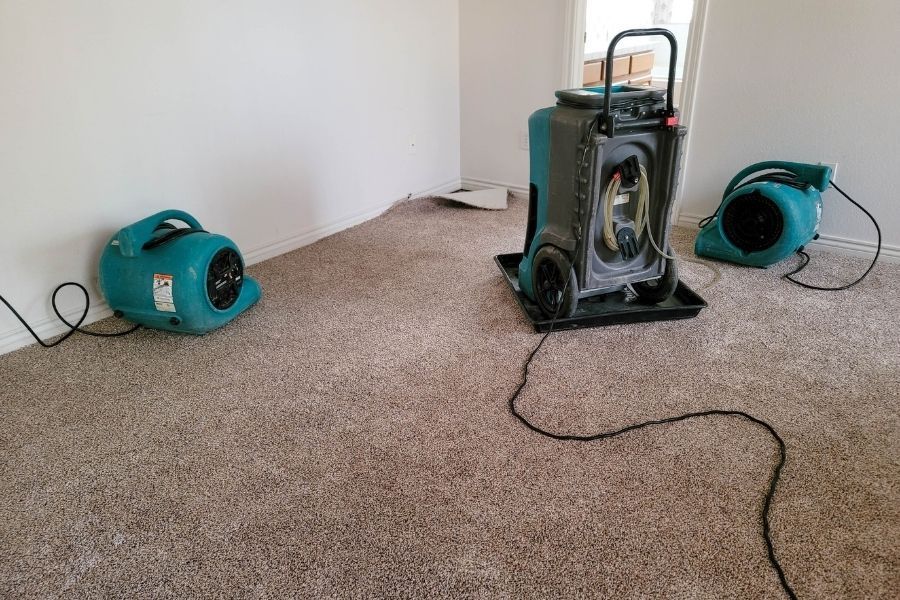
Truck mounted extraction pulls standing water out fast, the first real step in limiting long term damage.
Your First-Hour Response Plan
Your goal in the first hour is simple: stop the water, stay safe, and protect what you can. A calm, ordered response limits the spread. It also sets up a faster cleanup. Here is the order we suggest before help arrives.
- Put safety first. Keep staff and customers away from standing water, and shut off power to wet areas only if you can reach the panel safely.
- Stop the source. Close the main water valve or the local shutoff if the leak comes from plumbing.
- Call for help. Reach a certified restoration team right away so drying can start fast.
- Move what you can. Lift documents, electronics, and stock off the floor onto dry, higher ground.
- Document everything. Photograph the water and the damage before you move or toss anything.
- Hold off on DIY drying. A few towels won't reach the water inside walls and pads, and the wrong steps can spread germs.
How Water Categories Change the Cleanup
Not all water is equal, and the type of water decides how the cleanup is handled. Crews sort water into three groups, based on how dirty and risky it is. Clean water from a pipe is very different from a sewer backup. Each group needs its own safety steps and gear.
Knowing the group helps you understand the timeline. It also explains why some jobs take longer than others.
Clean water jobs are often the simplest to dry out. Gray water needs cleaning agents and more careful drying. Black water demands the most caution and full protective gear.
| Category | What It Is | Common Examples |
|---|---|---|
| Category 1: Clean | Water from a sanitary source | Broken supply lines, water heater leaks |
| Category 2: Gray | Water with some contamination | Dishwasher or appliance overflow, HVAC drains |
| Category 3: Black | Highly contaminated, unsafe water | Sewage backups, storm flooding, rising groundwater |
Sewage and storm water fall into the black water group. This water carries bacteria. It needs protective gear and a full cleaning. If a backup hits your restrooms or kitchen, our sewage backup cleanup crews handle it safely and by the book.
Documenting the Damage for Insurance
Good records are what turn a stressful loss into a paid claim. Before cleanup starts, capture clear proof of what happened and what got damaged. Most business policies cover sudden water damage, but the burden is on you to prove it. Strong records speed up the payout and cut down on pushback.
What to Capture Before Cleanup
Grab your phone and walk the whole space. Do it before anything gets moved or tossed.
- Wide shots and close ups of every wet area
- The water line on walls and baseboards
- Damaged stock, equipment, and furniture
- The water source, if it's safe to reach
- Receipts, plus a simple log of dates and steps
Our step by step guide on how to document water damage for insurance claims covers what adjusters look for. We log our own work with Xactimate, the same software insurers use. That keeps everyone on the same page. When water sits long enough to cause mold, our professional mold remediation team treats it and notes it for your claim.
Call your insurer early to open a claim. The sooner they know, the sooner an adjuster can review your case. Ask what your policy needs from you in writing.

Photograph damaged inventory and the water line before cleanup begins to support your insurance claim.
How to Choose a Commercial Restoration Partner
The right partner is certified, fast, and built for commercial work. A burst pipe in a 40 room office is not a small home job. Look for proven training and the right gear. Look for clear updates to both you and your insurer.
Ask about certification first. Good crews follow the IICRC S500 water damage restoration standard, the industry rulebook for safe, thorough drying. Then ask about response time, commercial experience, and how they bill insurance. Our blog on 8 key questions to ask before hiring covers the rest.
Don't just chase the lowest bid. A cheap, rushed job can cost you far more in repairs down the road.
Ask for proof of insurance and a few commercial references. A solid track record with businesses like yours tells you a lot.
Water doesn't keep business hours, and neither do we. As a family owned, women owned team serving Tampa Bay since 1976, Chris' Carpet Service & Water Restoration responds fast and treats your property like our own. We offer trusted water damage restoration in St. Petersburg and across Pinellas County, ready whenever you need us.
Frequently Asked Questions
How fast can a commercial water damage company respond in Tampa Bay?
Speed varies by provider. Our team often reaches Tampa Bay businesses within 30 to 90 minutes, day or night. We answer our phones 24/7, because water damage never waits for morning. Faster arrival means drying starts sooner and the damage stays smaller.
Will my business have to close during water damage restoration?
Not always. For smaller losses, our crews can often seal off one area and dry it while the rest of your business stays open. Bigger jobs may need partial closures. We work around your schedule, including after hours, to limit downtime.
Does commercial insurance cover water damage cleanup?
Most business property policies cover sudden, accidental water damage, like a burst pipe or a storm driven roof leak. Slow leaks from poor upkeep are often excluded. Flooding from rising water usually needs a separate flood policy. Document everything to back your claim.
What makes commercial water damage different from a home job?
Scale and complexity. Commercial jobs often mean bigger square footage and stronger drying gear. They also bring safety and code rules for occupied spaces, plus real pressure to reopen fast. A team with true commercial experience plans around your business, not just the water.