Why Coastal Florida Homes Get More Water Damage Than Other Regions
Jump to Section:
- Hurricane Season Isn't Just a Weather Report
- The Humidity Factor Nobody Talks About Enough
- Sea Level and Groundwater Issues
- Afternoon Thunderstorms That Pack a Punch
- Aging Infrastructure in Coastal Communities
- Salt Air and Corrosion
- Storm Surge and Flooding from Tropical Systems
- What Coastal Homeowners Can Do
- Why Professional Help Matters
Living near the coast in Florida comes with some pretty amazing perks. Beautiful sunsets, beach access, and year-round warmth that makes your friends up north jealous every winter. But there's a flip side to paradise, and if you own property anywhere along Florida's coastline, you already know what it is: water damage.
Coastal Florida homes deal with water damage at rates that would make homeowners in other parts of the country shake their heads in disbelief. It's not just bad luck or poor construction. There are real, measurable reasons why properties in Tampa Bay, St. Pete, Clearwater, and other coastal communities face more water-related headaches than homes almost anywhere else. At Chris' Carpet Service & Water Restoration, we've been helping coastal homeowners since 1976, and we've seen it all. Let's talk about why water damage restoration is practically a rite of passage for Florida coastal property owners.
Hurricane Season Isn't Just a Weather Report
Let's start with the obvious one. Hurricane season runs from June through November, and coastal Florida sits right in the bullseye. While not every storm makes landfall, the ones that do can dump massive amounts of water in a short time. We're talking inches of rain per hour, storm surge that pushes seawater inland, and flooding that can happen faster than you can move your furniture to higher ground.
But here's what a lot of people don't realize: you don't need a direct hit from a major hurricane to get significant water damage. Tropical storms, tropical depressions, and even the outer bands of hurricanes passing offshore can cause serious flooding. The National Hurricane Center tracks these systems constantly during hurricane season, and for good reason.
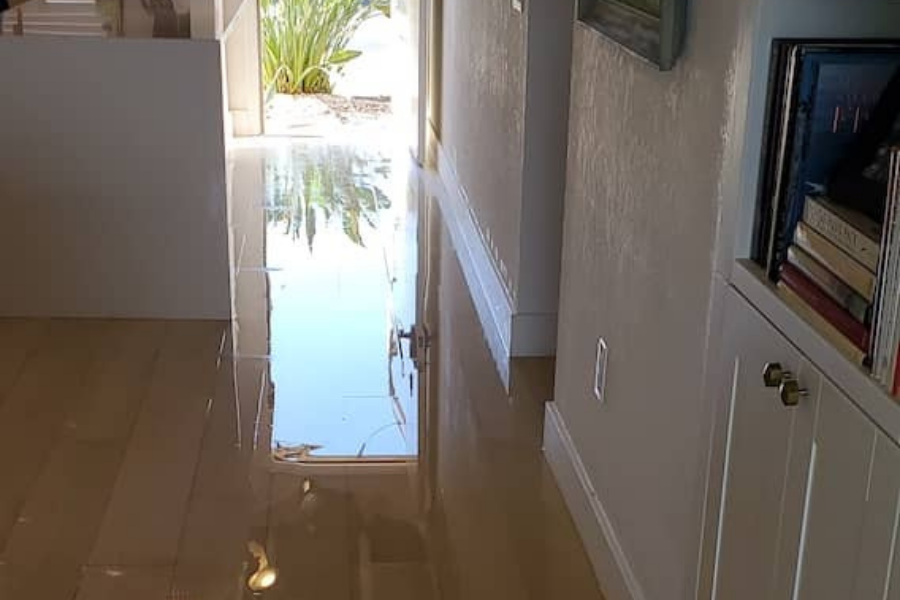
Standing water from coastal flooding can cause extensive structural damage and create ideal conditions for mold growth.
When these storms roll through, we see everything from roof leaks to complete flooding. Windows that weren't properly sealed suddenly become entry points for water. Doors leak. And if your home takes on enough water, you're looking at structural damage, ruined floors, and the potential for mold remediation down the line.
Dealing with Storm Damage Right Now?
Don't wait for mold to set in. Our team responds in 60 minutes or less.
Get Immediate HelpOr call us 24/7 at (727) 888-5111
The Humidity Factor Nobody Talks About Enough
Florida's humidity is legendary. You step outside and immediately feel like you're wearing a wet blanket. It's great for your skin, terrible for your home. Coastal areas get hit especially hard because you've got moisture coming from the ocean mixing with heat, creating the perfect recipe for condensation and moisture problems.
High humidity causes issues you might not even notice at first. Condensation forms on pipes, in attics, and inside walls. Over time, this constant moisture creates ideal conditions for mold growth. According to the EPA's guidelines on mold, mold can start growing within 24 to 48 hours in damp conditions, and Florida's coastal humidity provides those conditions pretty much year-round.
We've responded to countless calls where homeowners discovered mold in their AC vents, crawl spaces, and behind walls, all because the humidity created a moisture problem that went unnoticed. It's not dramatic like a flood, but it's just as damaging over time.
Learn more in our detailed guide on black mold in St. Petersburg homes.
How Coastal Conditions Accelerate Water Damage
Coastal areas: 75-85% average | Inland areas: 55-65% average
Tampa Bay coastal areas: 50-55 inches | U.S. average: 38 inches
Florida coast: High risk zone | Most of U.S.: Low to no risk
Coastal Florida: Can begin in 24-48 hours | Drier climates: 3-7 days
Sea Level and Groundwater Issues
Here's something that doesn't get enough attention: many coastal Florida homes sit at or near sea level. When you're that close to sea level, groundwater becomes a constant concern. Heavy rains don't just run off, they saturate the ground, and that water has nowhere to go but up.
This creates problems like:
- Water seeping through foundation cracks because the groundwater table rises
- Flooding in low-lying areas even when there's no storm
- Persistent moisture issues in concrete slabs and crawl spaces
- Drainage problems that get worse over time
Homes built on barrier islands or in areas that were historically wetlands face even bigger challenges. The water table is so high that any significant rain event can cause water to bubble up through the ground.
Afternoon Thunderstorms That Pack a Punch
If you've lived in coastal Florida for more than a week, you know the drill. Sunny morning, hot afternoon, then boom, a massive thunderstorm rolls in around 3 or 4 p.m. These storms can drop an inch or two of rain in less than an hour, overwhelming drainage systems and causing flash flooding.
The problem with these daily storms is they're relentless. Day after day, week after week, your home is getting hit with heavy rain. Roofs develop small leaks that turn into big problems. Gutters overflow. Seals around windows and doors wear down. And because these storms are so common, people sometimes don't take them seriously until they're dealing with water in their living room.
Aging Infrastructure in Coastal Communities
Many coastal Florida communities have been around for decades, and the infrastructure shows it. Older drainage systems weren't designed for the intensity of rainfall we see today or the increased development that's happened over the years. When those systems get overwhelmed, water backs up, and homes flood.
We also see a lot of older homes with original plumbing, roofs, and windows that are long past their prime. A 40-year-old roof might have weathered dozens of storms, but at some point, it's going to start letting water in. Same with old pipes, water heaters, and seals around doors and windows.
Salt Air and Corrosion
Living by the ocean means dealing with salt air, and salt accelerates corrosion. Metal roofing components, flashing, fasteners, and even your HVAC system can corrode faster in coastal environments. When metal corrodes, seals fail. When seals fail, water gets in.
This is particularly problematic with:
- Roof fasteners and flashing
- Window and door frames
- HVAC condensation lines
- Plumbing fixtures and connections
Regular maintenance can help, but the reality is coastal homes require more frequent inspections and repairs than homes inland.
Storm Surge and Flooding from Tropical Systems
Storm surge is one of the most destructive aspects of coastal storms. When a hurricane or strong tropical storm pushes water inland, it can flood entire neighborhoods in minutes. Unlike rain, which gradually accumulates, storm surge hits fast and hard.
We've worked with homeowners in St. Pete, Clearwater, and Tampa who've dealt with storm surge flooding. The water comes in, soaks everything, and then recedes, leaving behind a mess of contaminated water, damaged structures, and the urgent need for professional restoration.
For detailed steps on what to do immediately after flooding, check out our post on what to do first after your Largo home floods.
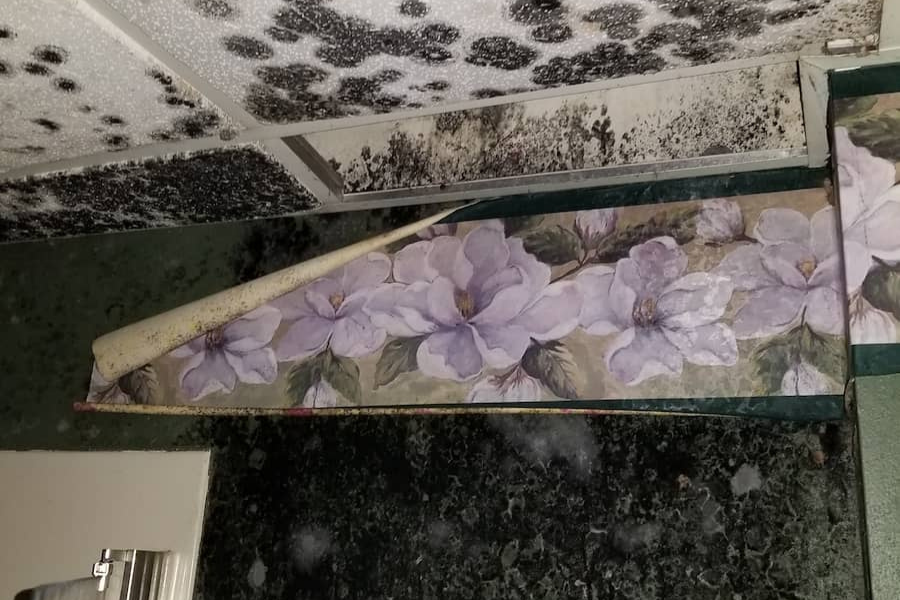
Mold can rapidly take over coastal properties when moisture issues aren't addressed quickly.
What Coastal Homeowners Can Do
Living on the coast doesn't mean you're helpless against water damage. There are real steps you can take to protect your property:
| Prevention Task | Frequency | Why It Matters |
|---|---|---|
| Roof Inspection | Twice yearly + after major storms | Catches small leaks before they become major problems |
| Gutter Cleaning | Quarterly | Prevents overflow and water pooling near foundation |
| Window/Door Seal Check | Annually | Prevents water intrusion during storms |
| HVAC Maintenance | Twice yearly | Reduces condensation and mold risk |
| Water Heater Check | Annually | Prevents catastrophic failure and flooding |
| Crawl Space/Attic Inspection | Twice yearly | Early detection of moisture and mold issues |
Immediate Response:
- Act fast when you notice water where it shouldn't be
- Don't wait to call professionals if you have flooding or significant leaks
- Document everything for insurance purposes
- Remove standing water as quickly as possible to prevent mold
Insurance Considerations:
- Review your policy to understand what's covered
- Consider flood insurance (standard homeowners policies usually don't cover flooding)
- Keep documentation of home improvements and maintenance
- Work with restoration companies that understand insurance claims
Speaking of insurance, our post on water damage restoration and insurance in Tampa Bay covers what you need to know about coverage and claims.
Why Professional Help Matters
When water damage happens in a coastal home, time is critical. The combination of humidity, heat, and water creates the perfect environment for mold, structural damage, and long-term problems. Professional restoration isn't just about removing water, it's about properly drying structures, preventing secondary damage, and making sure your home is safe.
We're IICRC certified, which means we follow industry standards set by the Institute of Inspection, Cleaning and Restoration Certification for all water damage and mold remediation work. We use moisture meters, thermal imaging, and industrial-grade drying equipment to make sure the job is done right.
Protect Your Coastal Property Today
Don't wait until water damage becomes a major problem. Whether you need emergency restoration or want to schedule a preventive inspection, our team is ready to help.
Call us 24/7 at (727) 888-5111 or schedule service online.
Contact Us NowThe Bottom Line
Coastal Florida homes face unique water damage challenges that homeowners in other parts of the country simply don't deal with. Between hurricanes, humidity, sea level issues, daily thunderstorms, and salt air, your home is constantly under assault from moisture. It's not a matter of if you'll deal with water damage, it's a matter of when and how well you respond.
The good news? You don't have to face it alone. Whether you're dealing with an emergency flood, discovering hidden mold, or just want to be proactive about protecting your coastal property, we're here to help. We've been serving Tampa Bay since 1976, and we understand exactly what coastal homeowners are up against.
Frequently Asked Questions
Why does Florida have more water damage than other coastal states?
Florida's unique combination of frequent hurricanes, daily thunderstorms, high humidity, low elevation, and warm temperatures creates more opportunities for water damage than most other coastal regions. The state's geography puts it directly in hurricane paths, while year-round heat and moisture accelerate mold growth and structural issues.
Does living closer to the beach mean more water damage risk?
Yes, homes closer to the beach face additional risks including storm surge, salt air corrosion, higher groundwater tables, and more direct exposure to tropical systems. However, even homes a few miles inland in coastal communities experience significantly more water damage than homes in non-coastal areas.
How quickly should I respond to water damage in a coastal Florida home?
Immediately. In Florida's humid coastal climate, mold can begin growing within 24 to 48 hours. The longer water sits, the more damage occurs to structures, and the higher your repair costs climb. Call a professional restoration company as soon as you discover water damage.
Is water damage worse in older coastal homes?
Generally yes, because older homes often have aging infrastructure, original plumbing and roofing systems, and materials that have been exposed to salt air and humidity for decades. However, even newer coastal homes face water damage risks due to environmental factors.