
How Thermal Imaging Technology Uncovered Hidden Water Damage in a Largo Home
When a hot water tank fails, the water doesn't just stay where you can see it. It seeps into walls, travels under flooring, and hides in places the naked eye can't detect. That's exactly what happened at this Largo home, and it's where our professional water damage restoration technology made all the difference. Our team at Chris' Carpet Service & Water Restoration used advanced infrared thermal imaging cameras to track every drop of hidden moisture throughout the property, ensuring nothing was left behind to cause future problems.
The Problem: A Failed Hot Water Tank Floods Multiple Rooms
The homeowner called us after discovering their hot water tank had ruptured. Water had spread across the hallway, into bedrooms, through the dining room, and even reached the bathroom before they could shut off the main valve. The visible damage was concerning enough, but what really worried them was all the moisture they couldn't see.
This is where most homeowners make a critical mistake. They clean up the visible water and assume the problem is solved. In reality, water migrates through porous materials like drywall, insulation, and subflooring within hours. According to IICRC standards, hidden moisture left undetected for 24 to 48 hours creates perfect conditions for mold growth and structural damage.
Why Thermal Imaging Technology Changes Everything
Standard moisture meters tell you if a specific spot is wet. That's useful, but it's only part of the story. Thermal imaging cameras reveal the complete picture by detecting temperature variations across entire surfaces, walls, and floors.
Here's how the technology works. Water absorbs and retains heat differently than dry materials. When we scan a room with an infrared camera, wet areas appear as darker, cooler zones on the thermal display. This allows our IICRC-certified technicians to create a complete moisture map without tearing into walls or guessing where water might be hiding.
What Thermal Imaging Detects
- Hidden wall moisture that standard meters miss
- Subfloor saturation beneath carpets and tile
- Ceiling leaks from upper floor water damage
- Insulation damage inside wall cavities
- Complete moisture patterns showing how water traveled
Thermal Imaging Scans: What We Found
The thermal camera revealed water damage far beyond what was visible to the eye. The hot water tank failure had sent water spreading in multiple directions, saturating materials throughout the home.
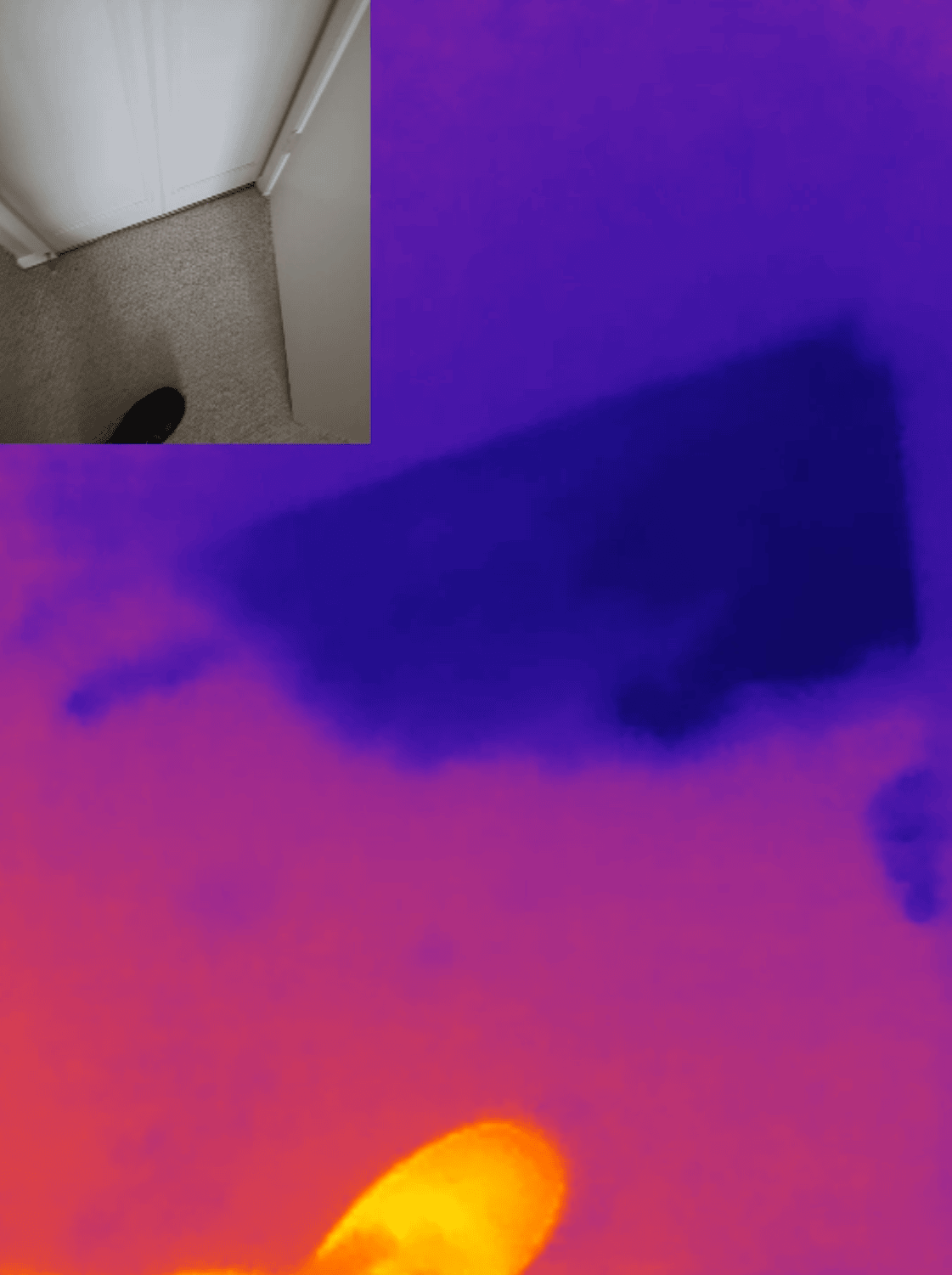
Thermal scan near the water tank failure point
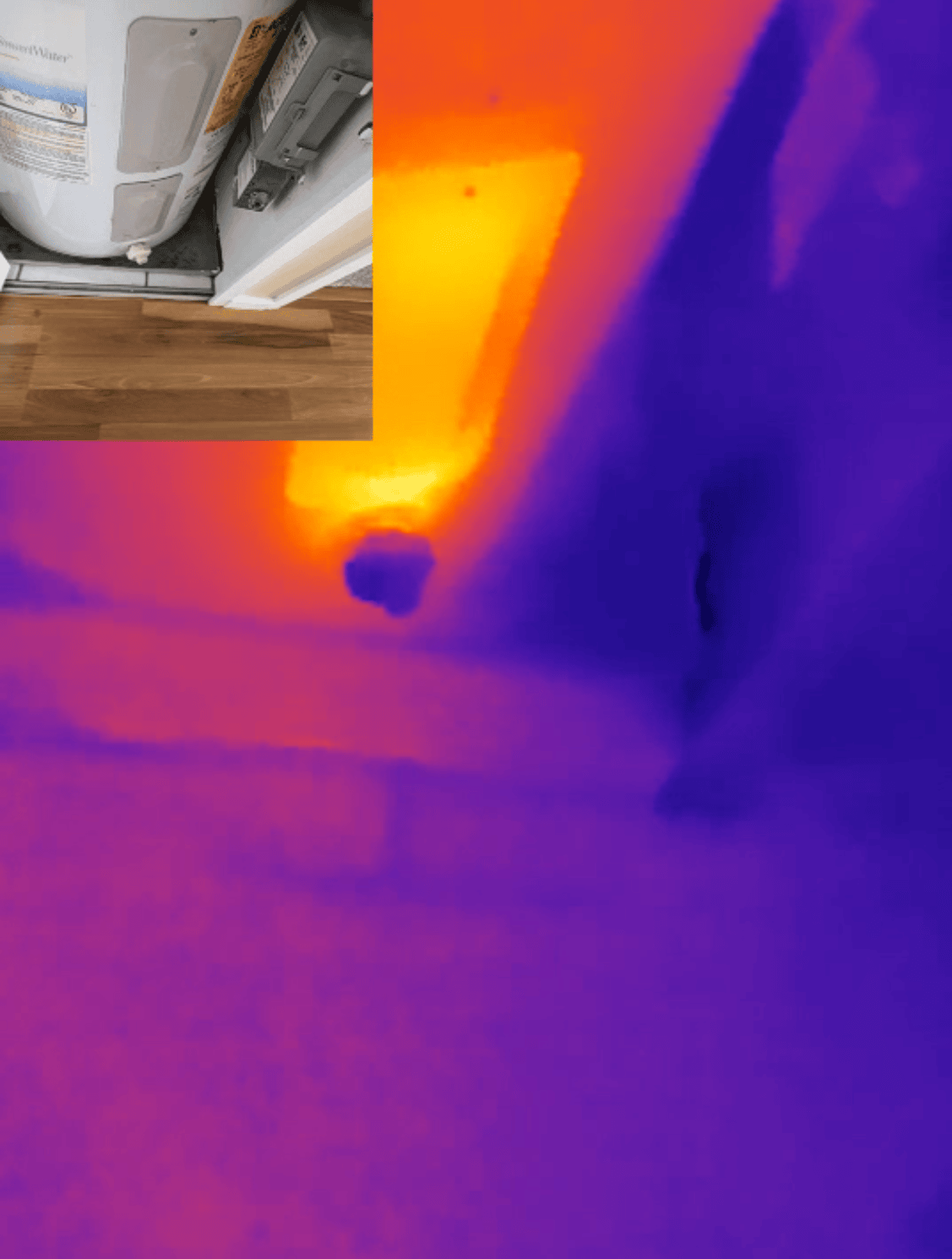
Hot water tank closet showing water spread
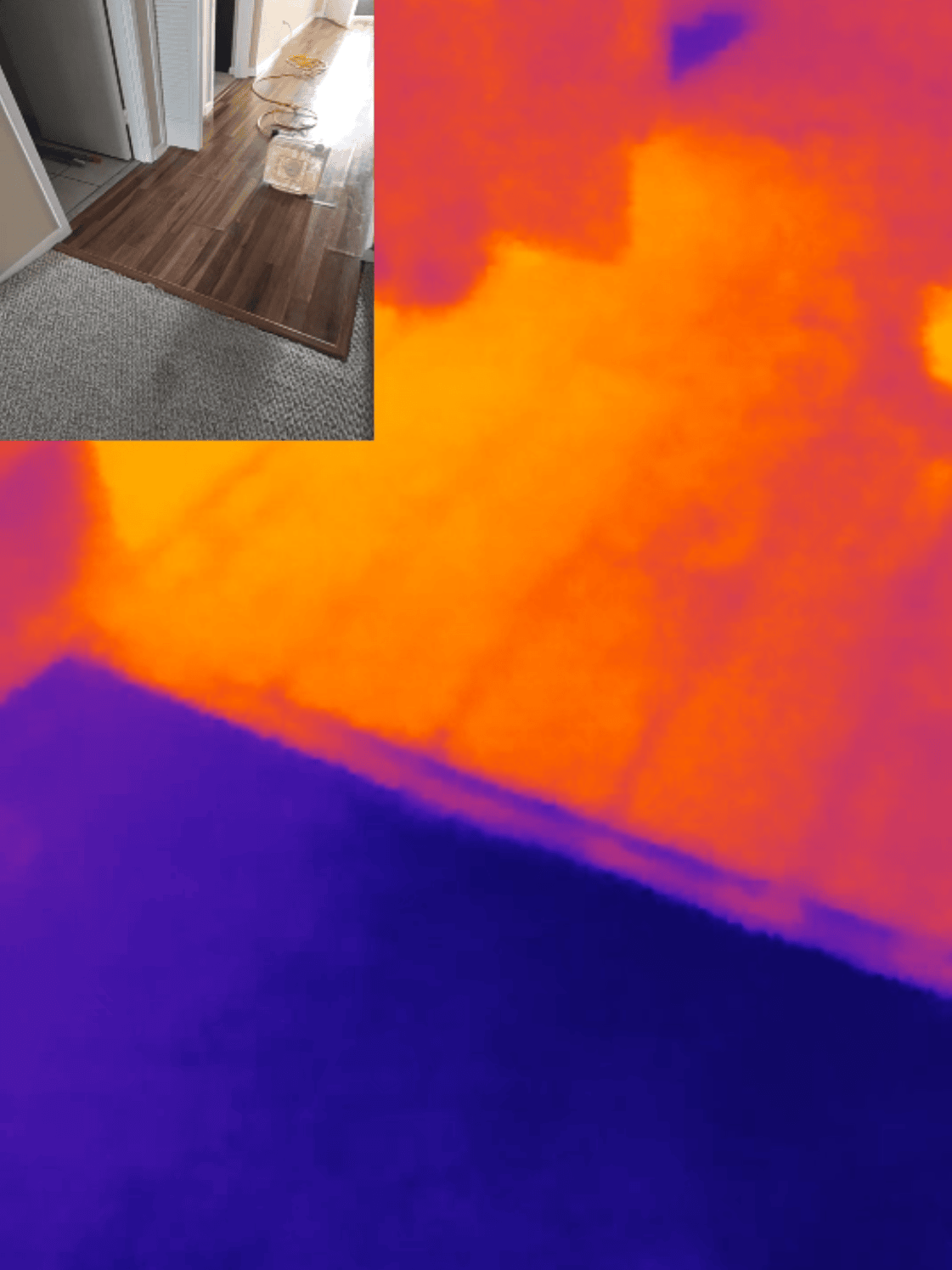
Hallway thermal scan revealing hidden moisture
How to Read Thermal Images
On thermal imaging displays, darker colors indicate cooler temperatures where water has absorbed heat. Lighter colors show dry, warmer areas. The stark contrast makes it impossible to miss moisture, even when it's concealed behind surfaces.
In this Largo home, the thermal scans revealed water had traveled down the hallway in multiple directions, saturated portions of the bedroom walls, and even affected the dining room. Without this technology, the homeowner would have dried the visible areas and unknowingly left moisture trapped inside walls and under flooring.
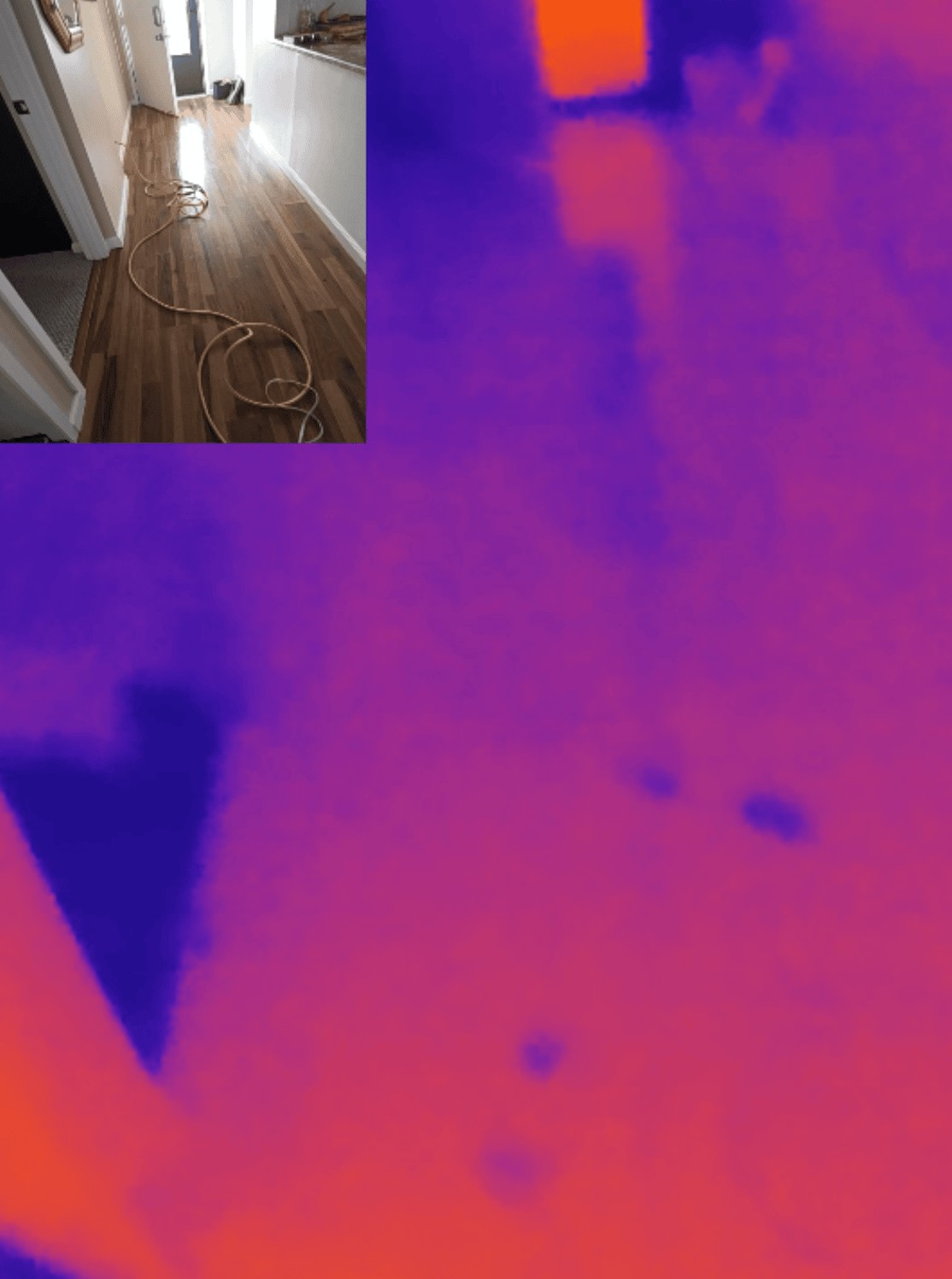
Additional hallway moisture detection
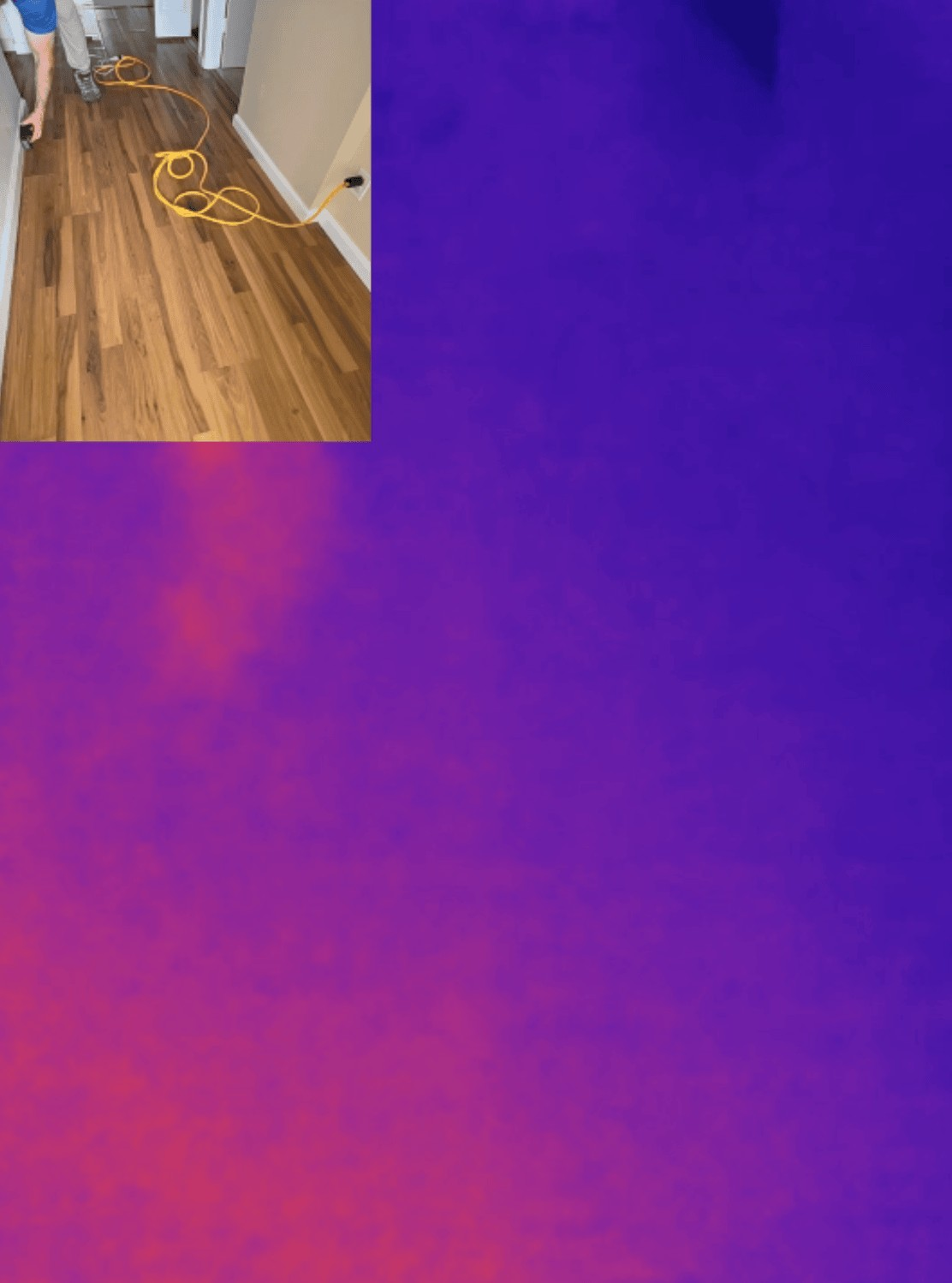
Complete hallway moisture mapping
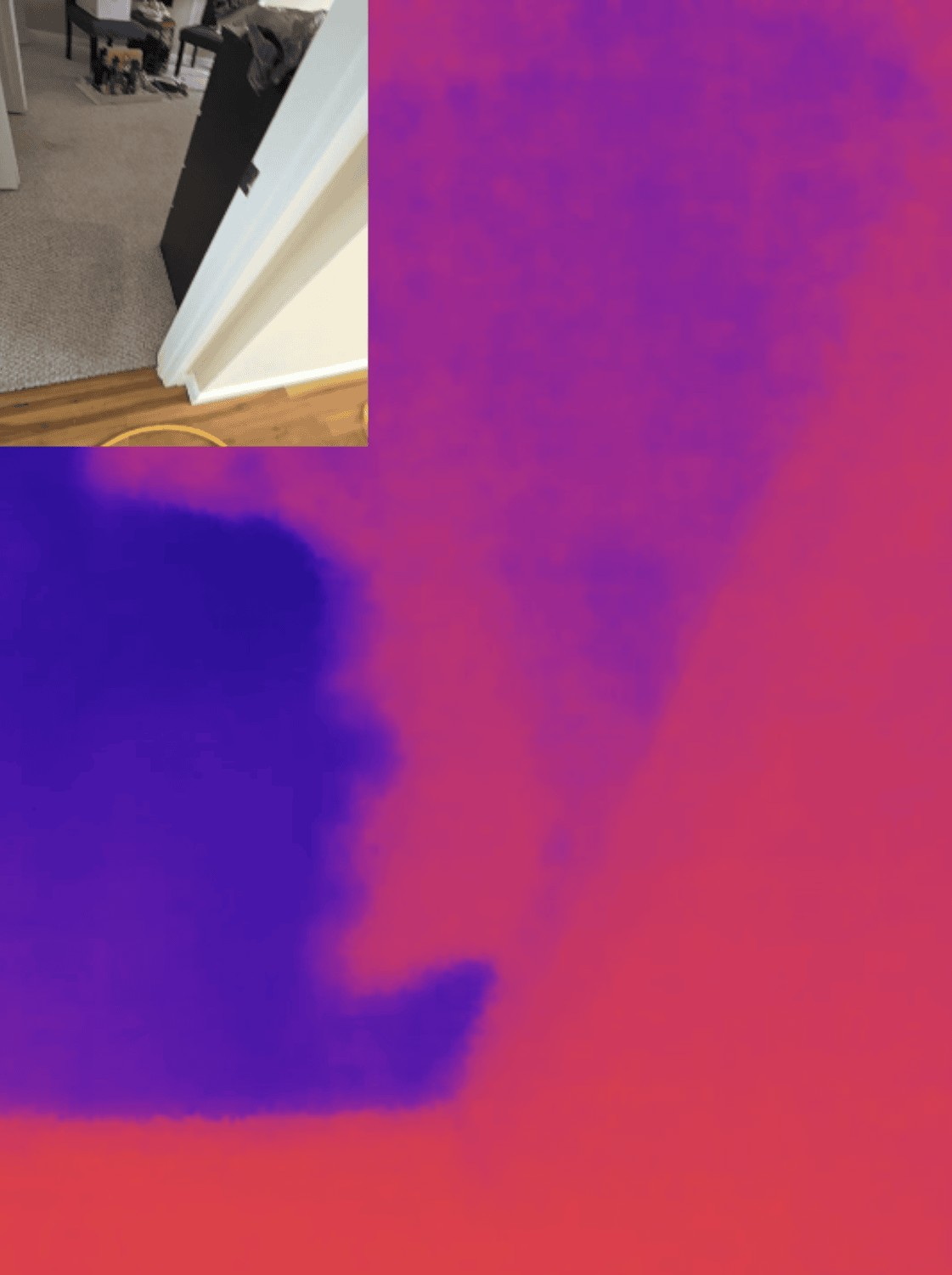
Bedroom wall moisture detected
Room-by-Room Thermal Detection
The infrared camera guided us through every affected space. In the bedroom, moisture had wicked up the walls from floor level. The bedroom closet showed water absorption in materials that looked completely dry on the surface. The dining room revealed moisture spreading beneath the flooring that would have been impossible to detect without thermal technology.
This comprehensive approach is what separates professional restoration from DIY cleanup attempts. We don't guess where water might be hiding. We see it, document it, and eliminate it completely.
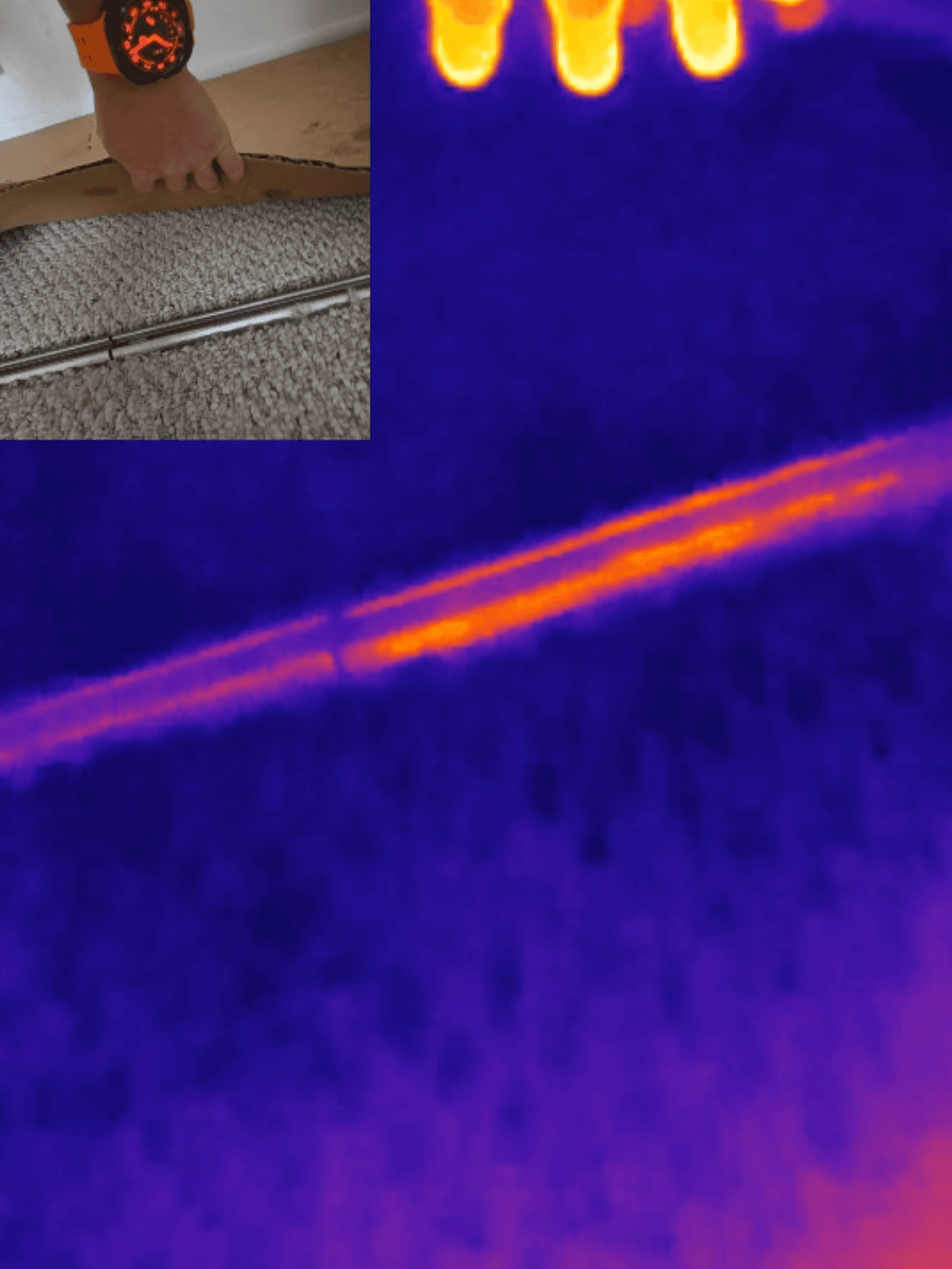
Bedroom closet moisture detection
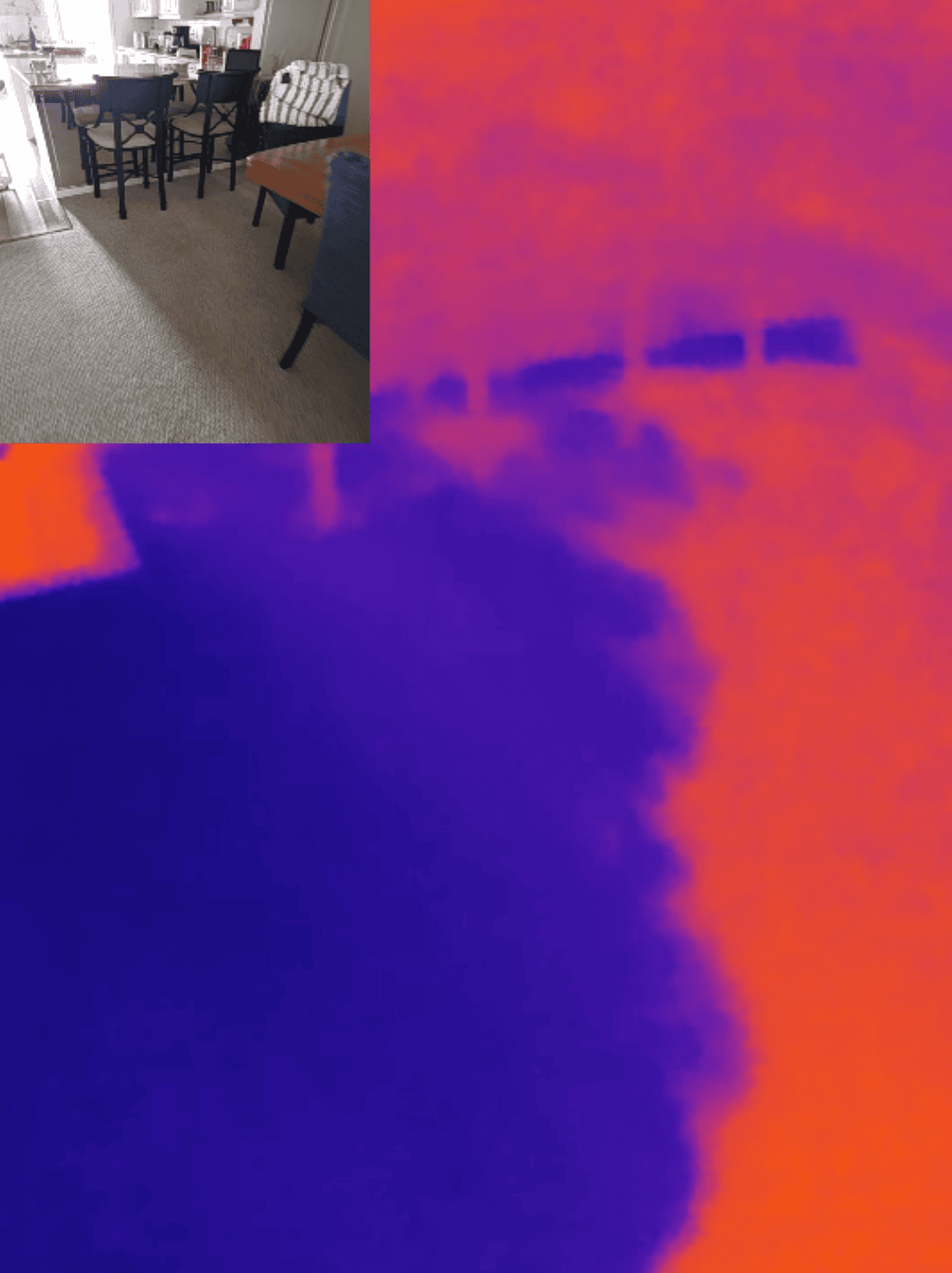
Dining room thermal imaging results
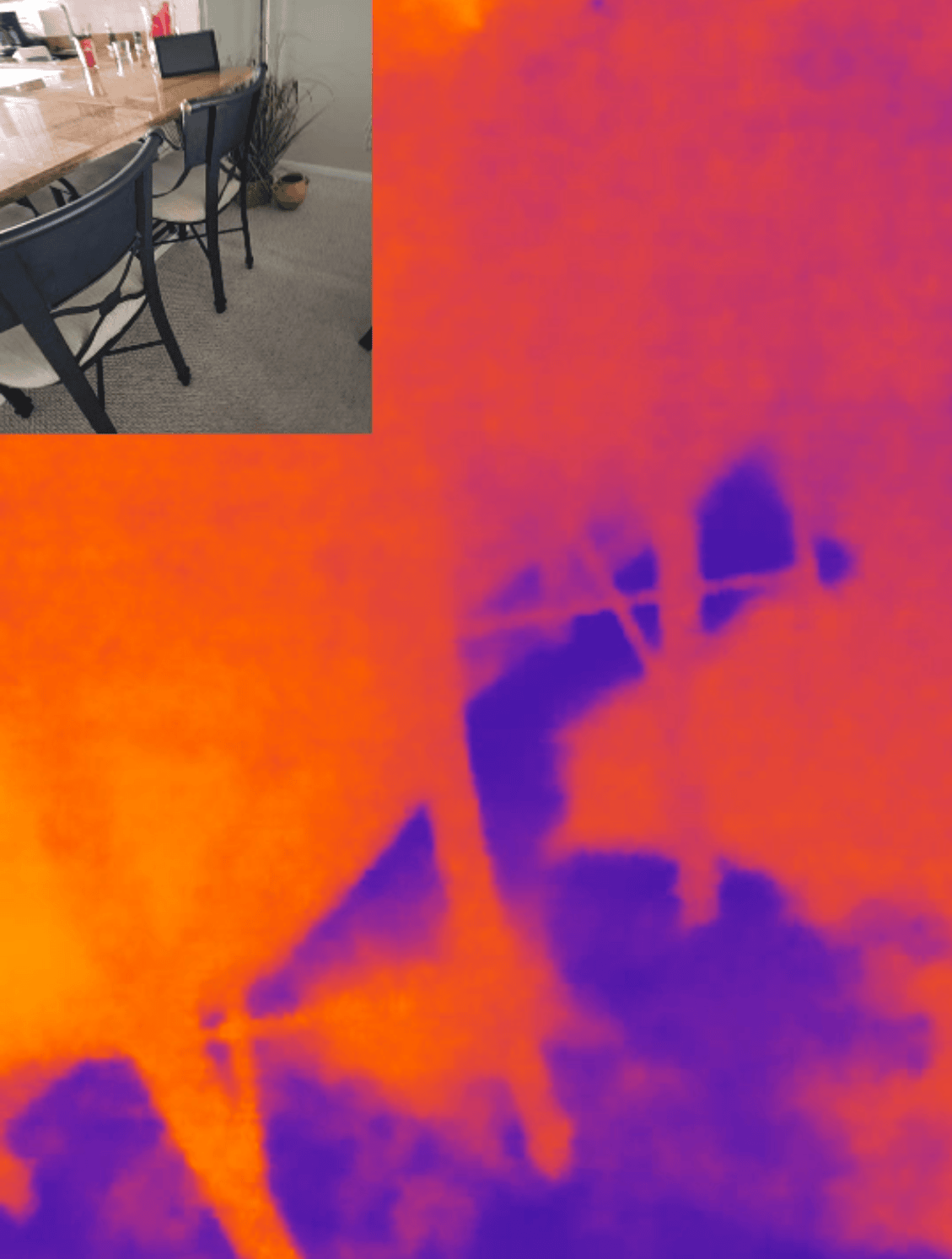
Extended dining room moisture mapping
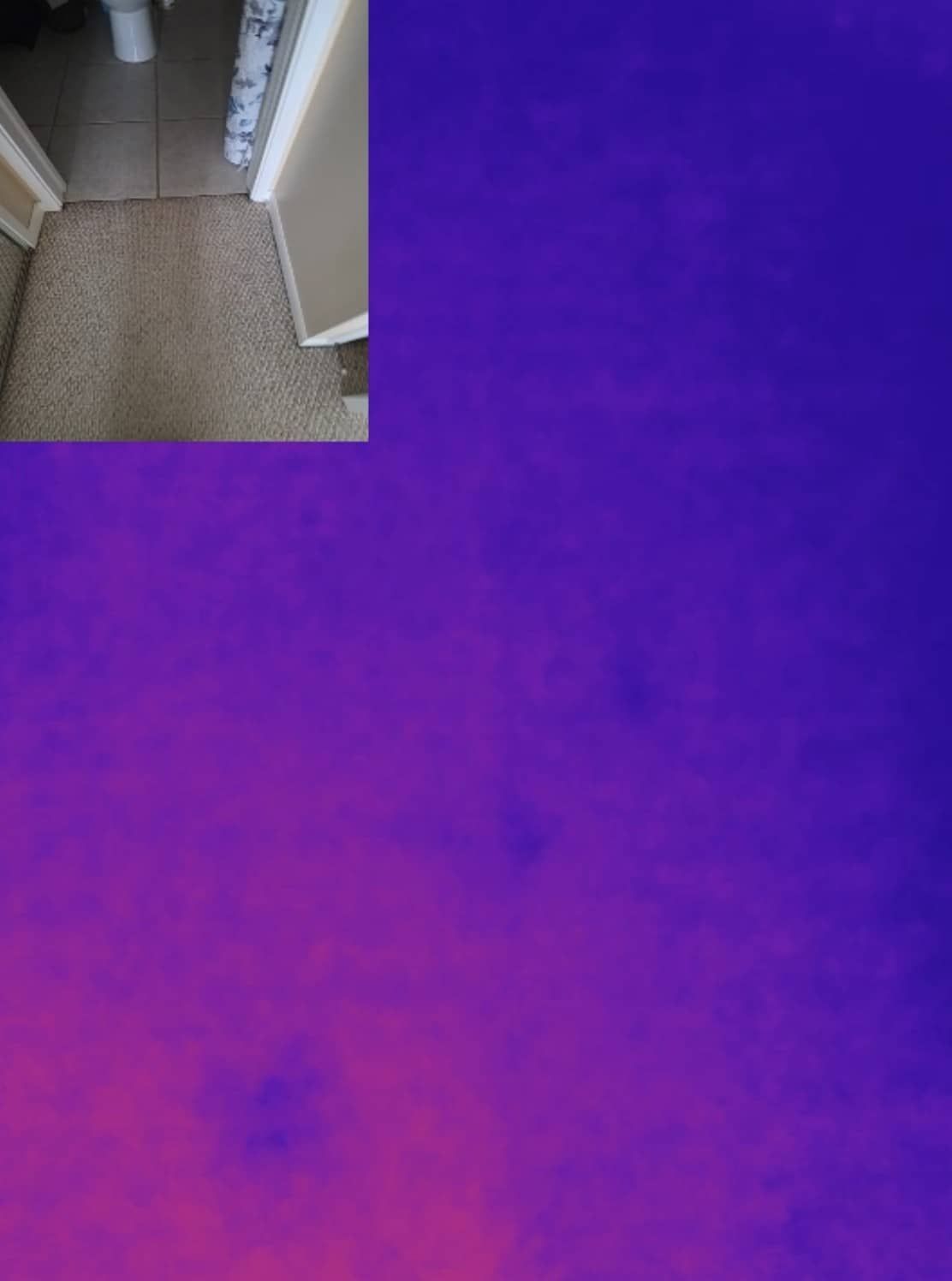
Bathroom moisture detected with thermal imaging
See Thermal Imaging Technology in Action
This video shows exactly how our infrared cameras work in real time, revealing the darker colors that indicate hidden moisture throughout the affected areas.
Why This Technology Matters for Tampa Bay Homeowners
Florida's humid climate makes hidden moisture especially dangerous. What starts as a small amount of trapped water can spiral into extensive mold growth within 48 to 72 hours. Thermal imaging eliminates the guesswork, ensuring we find and dry every affected area before secondary damage begins.
For insurance claims, thermal documentation provides clear visual evidence of the full extent of damage. This helps homeowners get fair settlements and ensures nothing gets missed during the restoration process. Many Tampa Bay area homeowners have learned about documenting water damage for insurance the hard way after initial claims were denied due to insufficient evidence.
Our thermal imaging services are included as part of our emergency response. We've been serving the Tampa Bay area since 1976, and we've seen firsthand how this technology has transformed water damage restoration from guesswork into precision work.
Facing Water Damage in Your Largo Home?
Don't let hidden moisture turn into a bigger problem. Our thermal imaging technology finds every drop of water, even what you can't see.
Available 24/7 for emergency response throughout the Tampa Bay area.
Call (727) 888-5111 for immediate assistance
Related Resources
Learn more about water damage detection and prevention: