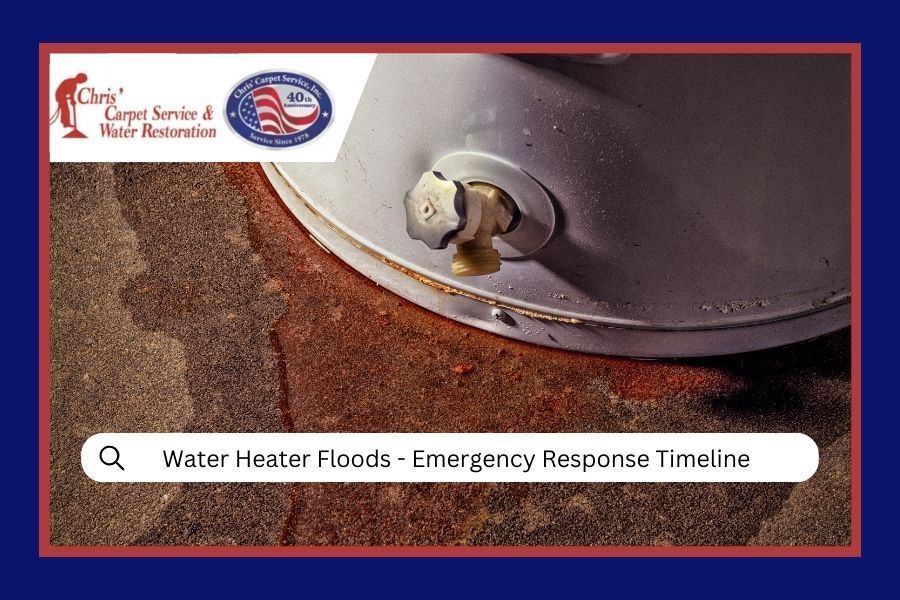
Water Heater Floods - Emergency Response Timeline
A water heater failure can dump 40 to 80 gallons of water onto your floors in minutes. When this happens, every second counts. Our team at Chris' Carpet Service & Water Restoration has responded to countless emergency water damage situations across the Tampa Bay area since 1976, and we've seen firsthand how quick action can mean the difference between a manageable cleanup and a full-scale disaster. This guide walks you through exactly what to do, hour by hour, when your water heater decides to call it quits.
The First 15 Minutes: Stop the Water
Your water heater just burst. Water is spreading across the floor. Take a breath. You've got this.
The very first thing you need to do is stop more water from entering the situation. Locate the cold water supply valve at the top of your water heater and turn it clockwise until it stops. If you can't find it or it won't budge, shut off the main water supply to your home instead. Better to lose water pressure for a bit than watch your flooring get destroyed.
Next, kill the power. For electric water heaters, flip the breaker at your electrical panel. For gas units, turn the gas valve to the off position. This isn't just about preventing further damage. Standing water and electricity are a dangerous combination that you want no part of.
Your 15 Minute Checklist
- Turn off the water supply valve on the heater (or main water supply)
- Disconnect power at the breaker or turn off the gas valve
- Move furniture and valuables away from standing water
- Open windows or turn on fans to start air circulation
- Take photos for insurance documentation
Water heater flooding your home right now?
Our IICRC-certified team responds within 60 minutes, 24/7.
Get Emergency Help NowWithin the First Hour: Damage Control Mode
With the water stopped and power off, it's time to minimize what's already happened. Grab every towel you own and start soaking up standing water. A wet/dry vacuum works even better if you have one. The goal here isn't perfection. You're buying time until professional equipment arrives.
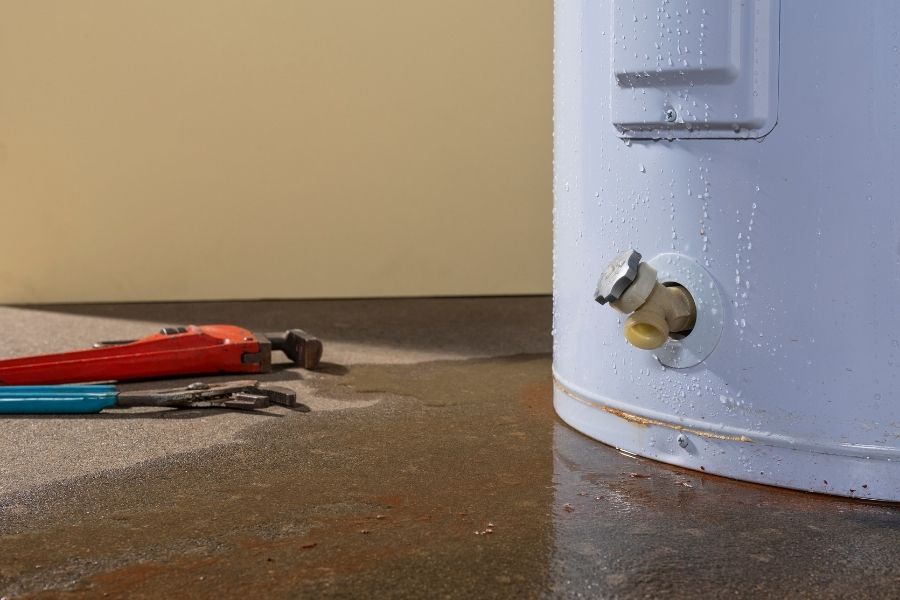
This is also when you should call a professional flood damage restoration company. Why so fast? Because water doesn't wait politely while you figure things out. According to the Institute of Inspection, Cleaning and Restoration Certification (IICRC), the industry standard for water damage restoration requires response within 24 to 48 hours to prevent secondary damage like mold growth.
Here in Florida, our humid climate speeds up that timeline considerably. What might take 48 hours to become a mold problem up north can happen in half that time in Tampa Bay.
Document Everything
While you're working, keep your phone handy. Take photos and videos of the water heater, the water damage, and affected belongings. Your insurance company will want this documentation, and the more thorough you are now, the smoother your claim process will be later. For more guidance, check out our article on how to document water damage for insurance claims.
The Critical 24 to 48 Hour Window
This is where the real race begins. Water that sits for more than 24 hours starts causing problems that go way beyond wet floors.
| Time After Flood | What's Happening |
|---|---|
| 0 to 1 Hour | Water spreads, soaks into carpet padding and drywall |
| 1 to 24 Hours | Drywall swells, furniture finishes begin to bleed, musty odors start |
| 24 to 48 Hours | Mold spores begin germinating, wood warping accelerates |
| 48+ Hours | Visible mold growth likely, structural damage risk increases significantly |
Professional restoration teams use industrial dehumidifiers, air movers, and moisture meters to dry affected areas thoroughly. This isn't something a box fan from the garage can accomplish. The equipment matters, and so does knowing where to look for hidden moisture in wall cavities, under flooring, and inside cabinetry.
Want to understand why timing matters so much? Our post on how long water damage takes to dry breaks down the science behind proper restoration.
What Happens If You Wait Too Long
Here's the honest truth that we wish more homeowners understood before it's too late. Waiting even a few extra days can transform a water damage issue into a mold problem. And mold problems are a whole different level of headache.
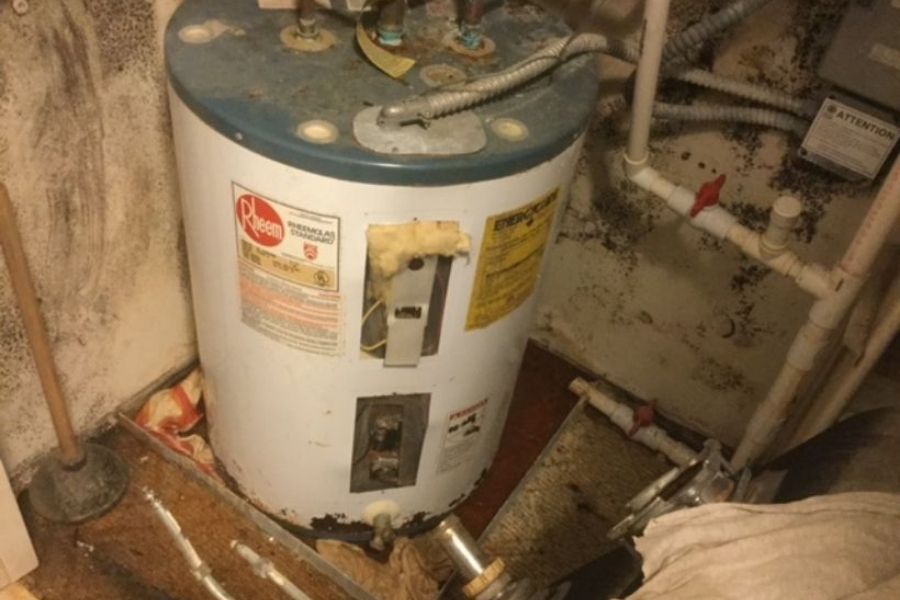
The Environmental Protection Agency (EPA) recommends addressing water damage within 24 to 48 hours to prevent mold growth. Once mold takes hold, you're looking at professional mold remediation on top of water damage restoration. That means containment barriers, HEPA air filtration, and potentially removing drywall and other materials that can't be salvaged.
We've seen cases where homeowners thought they'd cleaned up adequately, only to discover mold growing behind walls months later. By then, the damage was extensive and the cost to fix it had multiplied several times over.
Bottom Line:
The cost of acting quickly is almost always less than the cost of waiting. A water heater flood addressed within hours typically requires drying and minor repairs. The same flood ignored for a week might need new flooring, drywall replacement, and mold remediation.
Prevention Tips for Next Time
Once you've survived a water heater flood, you'll probably want to make sure it never happens again. Most water heaters last 8 to 12 years. If yours is approaching that age, consider replacing it before it fails catastrophically.
Install a drip pan under your water heater with a drain line leading outside or to a floor drain. This won't prevent a tank rupture from causing damage, but it will catch small leaks before they become big problems. You might also consider a water leak detector that alerts your phone when moisture is detected.
For Tampa Bay homeowners dealing with the aftermath of appliance failures, our Tampa water damage restoration team has nearly 50 years of experience helping families recover. We're available 24/7 for emergencies because water heaters don't check the calendar before they fail.
Frequently Asked Questions
How much water can a burst water heater release?
A standard residential water heater holds between 40 and 80 gallons of water. When a tank ruptures or a relief valve fails, this entire volume can empty onto your floors within minutes, potentially spreading to multiple rooms depending on your home's layout.
Can I clean up water heater flood damage myself?
Small spills from minor leaks can sometimes be handled with towels and fans. However, a full tank rupture typically requires professional equipment to properly dry wall cavities, subfloors, and other hidden areas. Incomplete drying leads to mold growth, which creates bigger problems down the road.
Will my homeowner's insurance cover water heater flood damage?
Most homeowner's policies cover sudden and accidental water damage from appliance failures, including water heaters. However, damage from gradual leaks or lack of maintenance may not be covered. Document everything thoroughly and contact your insurance company promptly to start the claims process.
How quickly does mold grow after a water heater floods my home?
Mold spores can begin germinating within 24 to 48 hours of water exposure. In Florida's humid climate, this timeline can be even shorter. Professional water extraction and drying within the first day significantly reduces the risk of mold development.
Chris' Carpet Service & Water Restoration
Serving Tampa Bay since 1976. IICRC certified. Available 24/7 for water damage emergencies.
Contact Our Team