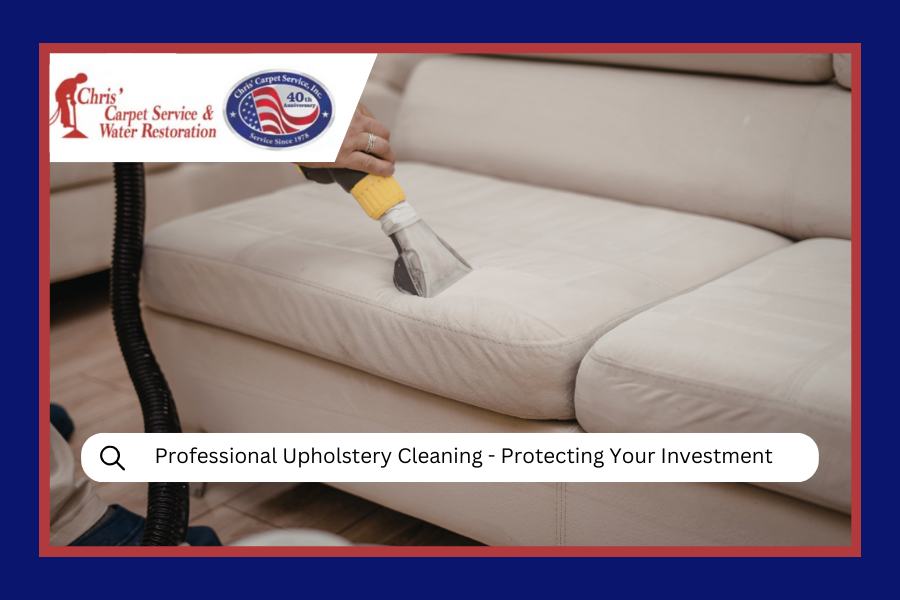
Professional Upholstery Cleaning - Protecting Your Investment
Jump To:
Your furniture represents a significant investment in your home's comfort and appearance. Quality sofas, chairs, and upholstered pieces can cost thousands of dollars, but with proper care, they can last decades. Professional upholstery cleaning protects that investment by removing deep-seated dirt, allergens, and contaminants that regular vacuuming can't reach. We're Chris' Carpet Service & Water Restoration, serving the Tampa Bay Area since 1976, and we've seen firsthand how proper upholstery care can extend furniture life by years.
Why Professional Cleaning Actually Matters
Most people vacuum their upholstered furniture regularly. That's a good start. But surface cleaning only removes about 15% of the dirt, dust mites, and allergens embedded in your furniture's fibers.
Professional cleaning reaches deep into the fabric structure where body oils, pet dander, and microscopic debris accumulate over time. These contaminants break down fabric fibers and create health issues for sensitive individuals. According to the Environmental Protection Agency, indoor air quality can be 2 to 5 times more polluted than outdoor air, and upholstered furniture acts as a reservoir for many of these pollutants.
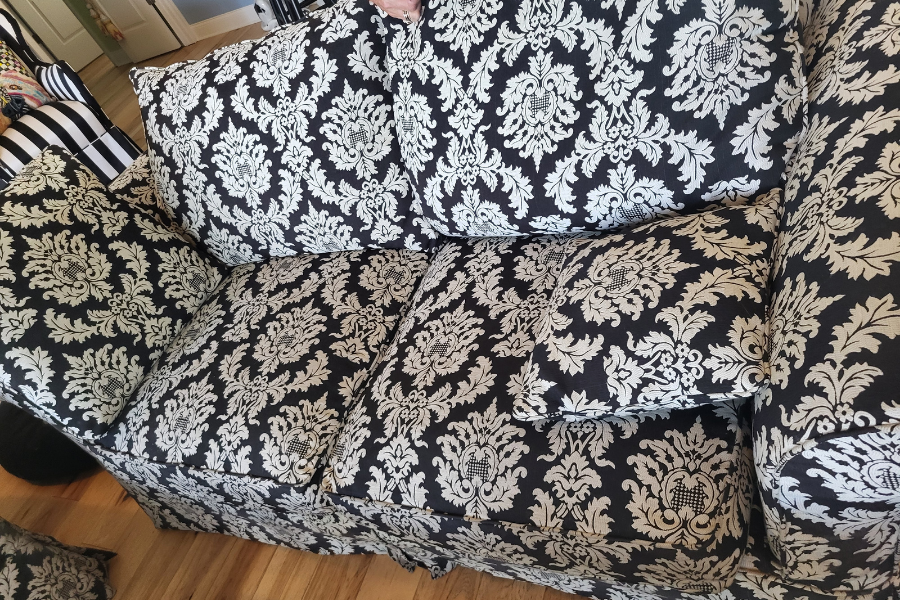
Deep cleaning removes contaminants that regular vacuuming leaves behind.
Here's what accumulates in upholstery over time:
- Dust mites and their waste products(a common allergen trigger)
- Pet dander and oils that penetrate deep into cushions
- Body oils and dead skin cells that attract dirt particles
- Food and beverage residue that creates sticky spots and odors
- Environmental pollutants tracked in from outside
🏠 Ready to Refresh Your Furniture?
Our team at Chris' Carpet Service & Water Restoration uses professional-grade equipment and IICRC-certified techniques to restore your upholstery. We've been protecting Tampa Bay furniture investments since 1976.
What Happens During Professional Upholstery Cleaning
Professional upholstery cleaning isn't just about spraying some solution and wiping it down. It's a systematic process that requires proper equipment and training.
Our technicians follow industry standards set by the Institute of Inspection, Cleaning and Restoration Certification (IICRC). Every piece of furniture gets evaluated individually because a velvet sofa requires completely different treatment than a microfiber sectional.
The Professional Cleaning Process
| Step | What We Do | Why It Matters |
|---|---|---|
| 1. Inspection | Check fabric type, condition, and stains | Prevents damage from wrong cleaning method |
| 2. Pre-Vacuuming | Remove loose dirt and debris | Prevents turning dry dirt into mud during cleaning |
| 3. Pre-Treatment | Apply specialized cleaning solutions | Breaks down oils and embedded dirt |
| 4. Deep Cleaning | Hot water extraction or dry cleaning method | Removes contaminants from deep in fibers |
| 5. Spot Treatment | Target stubborn stains with specialized products | Addresses problem areas without over-wetting |
| 6. Extraction | Remove moisture and cleaning solution | Prevents mold growth and speeds drying |
| 7. Fabric Protection | Apply protective coating (optional) | Helps repel future spills and stains |
The entire process typically takes 2-4 hours depending on how many pieces you're having cleaned. Most furniture dries within 6-12 hours with proper ventilation, though Florida's humidity can extend that slightly.
How Professional Cleaning Protects Your Furniture Investment
Quality furniture isn't cheap. A decent sofa runs $1,500 to $3,000, and high-end pieces can cost $5,000 or more. Regular professional cleaning extends furniture lifespan by preventing premature wear.
Think of it this way: dirt particles act like sandpaper on fabric fibers. Every time someone sits down, those particles grind against the fibers, breaking them down microscopically. Over years, this causes visible wear patterns, color fading, and that tired, matted appearance.
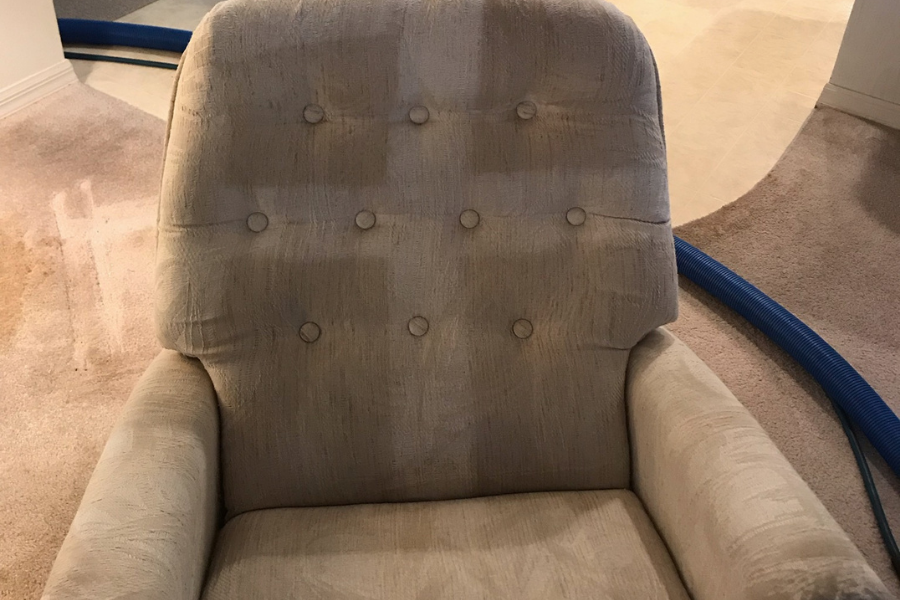
Professional cleaning restores the appearance and extends the life of upholstered furniture.
The Real Cost Breakdown
Let's look at the numbers. Say you invest $2,500 in a quality sofa. Without professional cleaning, it might last 7-10 years before looking shabby. With regular professional cleaning every 12-18 months, that same sofa can easily last 15-20 years and still look good.
Professional cleaning costs typically run $75-$150 per piece depending on size and fabric. Over 15 years, you might spend $1,200 on cleaning. But you've saved yourself from buying a replacement sofa for $2,500 or more. You're protecting your investment while maintaining a cleaner, healthier home. For more insights on the value of professional cleaning services, check out our post on how professional cleaning restores your home after damage.
💡 Pro Tip from Our Tampa Bay Team
Florida's humidity creates perfect conditions for mold and mildew in upholstery. We recommend professional cleaning every 12 months for Tampa Bay homes, especially if you have pets or young children. This frequency keeps your furniture fresh and prevents moisture-related issues common in our climate. Learn more about our residential cleaning services.
Common DIY Upholstery Cleaning Mistakes
We get calls all the time from homeowners who tried cleaning their upholstery themselves and ended up making things worse. These mistakes are surprisingly common, and some can permanently damage your furniture.
The Top Five DIY Disasters We See
1. Using too much water. This is the biggest one. Upholstery foam and padding aren't designed to get soaked. Over-wetting leads to mold growth, musty odors, and fabric discoloration. Professional equipment extracts moisture that home machines can't touch.
2. Choosing the wrong cleaning solution. Not all upholstery fabrics tolerate the same cleaners. What works on synthetic microfiber will ruin silk or velvet. We've seen homeowners bleach colored fabrics permanently by using all-purpose cleaners.
3. Scrubbing stains aggressively. Rubbing stains deeper into fabric fibers sets them permanently and damages the weave structure. Professional spot treatment lifts stains out instead of grinding them in.
4. Skipping the extraction step. Leaving cleaning solution residue in fabric attracts more dirt faster. That's why DIY-cleaned furniture often looks worse within weeks. Proper extraction removes all solution and contaminated water.
5. Not testing products first. Always test any cleaning product on a hidden area first. We've seen expensive furniture ruined because someone applied a cleaner to the most visible spot without testing colorfastness.
If you've dealt with water damage or flooding, professional assessment becomes even more critical. Water-damaged upholstery requires specialized drying and sanitization to prevent mold growth and structural damage. Learn more about what to expect during the restoration process if your furniture has been affected by water.
How to Choose the Right Upholstery Cleaning Service
Not all cleaning companies are created equal. You're trusting someone with expensive furniture, so you want to make sure they know what they're doing.
What to Look For
IICRC certification matters. The Institute of Inspection, Cleaning and Restoration Certification sets industry standards for proper cleaning techniques. Certified technicians have been trained on different fabric types, cleaning methods, and problem-solving. Our team maintains IICRC certifications because we believe in doing things right.
Experience with your specific furniture type. Ask how long they've been in business and what kinds of upholstery they regularly clean. A company that mostly does carpets might not have the expertise for delicate antique fabrics or leather.
Insurance and bonding. Reputable companies carry liability insurance in case of accidental damage. We're fully insured and bonded because protecting your investment is our priority.
Transparent pricing. Be wary of rock-bottom prices. Quality cleaning requires professional equipment and trained technicians. Get a written estimate before work begins, and make sure it covers everything discussed.
Local reputation. Check reviews on Google, Yelp, and the Better Business Bureau. We've been serving the Tampa Bay Area since 1976, and our reputation is built on thousands of satisfied customers.
Between-Cleaning Maintenance Tips
Professional cleaning is essential, but what you do between cleanings matters too. Here's how to keep your upholstery looking its best.
📋 Weekly Maintenance Checklist
- Vacuum upholstered furniture using the appropriate attachment (no beater bar on delicate fabrics)
- Flip and rotate cushions to distribute wear evenly
- Address spills immediately with blotting, never rubbing
- Check for pet hair accumulation, especially in seams and crevices
- Inspect for signs of pest activity or moisture issues
Spill Response Strategy
When spills happen (and they will), time is everything. Blot immediately with clean, white cloths. Work from the outside of the spill toward the center to prevent spreading. Never pour water directly onto upholstery. If you need help with stubborn odors or stains, give us a call before the problem sets in.
For pet accidents, enzyme cleaners work better than general-purpose products. The enzymes break down organic matter instead of just masking odors. Just make sure the product is safe for your specific fabric type.
Environmental Factors to Control
Florida's high humidity affects upholstery significantly. Keep indoor humidity between 30-50% using dehumidifiers or air conditioning. This prevents mold growth and keeps fabrics from developing that musty smell.
Direct sunlight fades upholstery colors. Use curtains or blinds during peak sun hours, or position furniture away from windows. UV-protective window film can also help. Just as with other aspects of home maintenance, prevention is key—similar to the approaches we discuss in our guide on preventing water damage in your home.
Keep furniture at least 6-12 inches from walls to allow air circulation. This is especially important in humid climates like ours. Good airflow prevents moisture accumulation and mold growth.
🌟 Special Offer for Tampa Bay Homeowners
As a women-owned, family business serving our community since 1976, we understand the importance of maintaining your home. Our 24/7 availability means we're here whenever you need us, whether it's routine cleaning or an emergency situation. We also offer military discounts because we value those who serve.
Frequently Asked Questions
How often should I have my upholstery professionally cleaned?
Most furniture manufacturers recommend professional cleaning every 12-18 months for typical household use. However, Tampa Bay's humidity and Florida's climate mean we often recommend annual cleaning to prevent moisture-related issues. Homes with pets, young children, or allergy sufferers benefit from cleaning every 6-12 months. High-traffic furniture like family room sofas need more frequent attention than formal living room pieces.
Will professional cleaning remove pet odors from my furniture?
Yes, professional cleaning can effectively remove most pet odors when done correctly. We use enzyme-based treatments that break down the organic compounds causing odors rather than just masking them. For severe pet urine contamination that has reached the padding or frame, we may need to treat or replace those components. The key is addressing pet accidents quickly before they penetrate deeply into the furniture structure.
How long does it take for upholstery to dry after professional cleaning?
Drying time varies based on fabric type, cleaning method, and environmental conditions. Most upholstery dries within 6-12 hours with proper air circulation. We use powerful extraction equipment to remove as much moisture as possible during cleaning. Running fans and air conditioning speeds the process. In Florida's humid climate, allowing 24 hours before heavy use is safest. Avoid sitting on damp furniture as this can transfer moisture to clothing and slow drying.
Can all types of upholstery be cleaned with the same method?
No, different fabrics require different cleaning approaches. Synthetic microfiber tolerates hot water extraction well, while silk and velvet need dry-cleaning solvents. Leather requires specialized conditioning treatments. That's why professional assessment is critical before cleaning begins. We check the manufacturer's cleaning code (usually found on a tag under cushions) and test fabrics for colorfastness. Using the wrong method can cause shrinkage, color bleeding, or permanent texture changes.
Protect Your Furniture Investment Today
Chris' Carpet Service & Water Restoration has been Tampa Bay's trusted upholstery cleaning expert since 1976. Our IICRC-certified technicians use professional equipment and proven techniques to restore your furniture while protecting your investment.
We serve Tampa, St. Petersburg, Clearwater, and surrounding communities with 24/7 emergency availability. Family-owned, women-owned, and committed to excellence.
Call (727) 888-5111 for Your Free Estimate