Black Mold in St Petersburg Homes: 6 Warning Signs You Can't Ignore
Jump to Section:
Living in St. Petersburg means dealing with Florida's humidity, and let's be honest, our weather creates the perfect environment for mold to thrive. While most mold is just an annoying eyesore, black mold (Stachybotrys chartarum) is a different beast entirely. At Chris' Carpet Service & Water Restoration, we've seen firsthand how this toxic mold can affect Tampa Bay families, and we want you to know what to watch for. If you suspect you're dealing with more than surface mold, our mold remediation services can help you tackle the problem safely and thoroughly.
Black mold isn't just unsightly, it's a health hazard that requires immediate attention. Here's how to spot it before it becomes a bigger problem.
What Makes Black Mold So Dangerous?
Before we dive into the warning signs, let's talk about why black mold deserves your attention. Unlike the mildew you might scrub off your shower tiles, black mold produces mycotoxins that can cause respiratory issues, allergic reactions, and other health problems. According to the EPA's guidance on mold, exposure to damp and moldy environments may cause a variety of health effects or none at all, but sensitive individuals are particularly at risk. Black mold loves damp, dark places and can spread quickly if conditions are right. In St. Pete's humid climate, that means it can take hold faster than you'd think.
6 Warning Signs of Black Mold in Your Home
1. That Musty, Earthy Smell That Won't Go Away
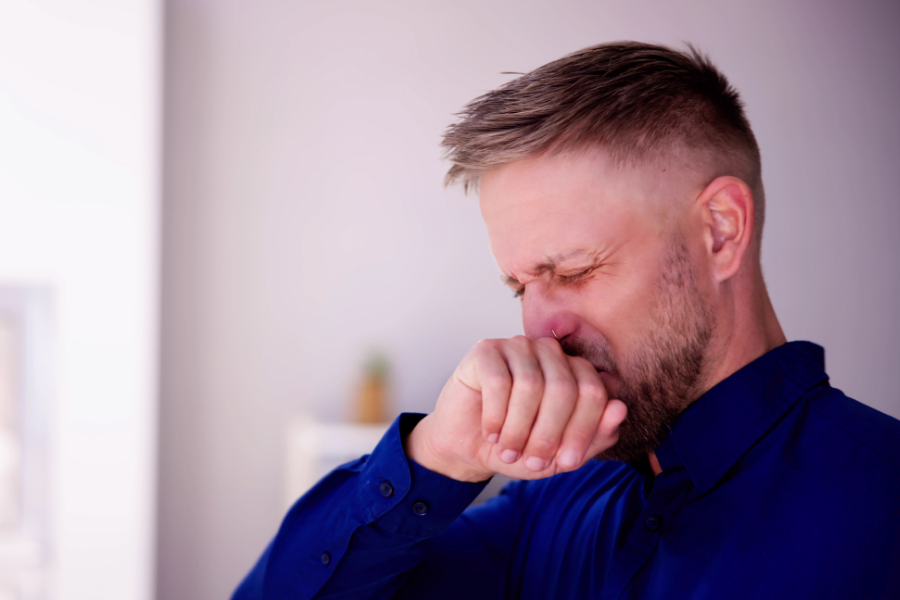
A persistent musty odor is often the first sign of hidden black mold in your St. Petersburg home.
Your nose knows something's wrong before your eyes do. Black mold has a distinctive musty, earthy odor, kind of like wet socks left in a gym bag (sorry for that mental image, but it's accurate). If you notice this smell in specific rooms or areas of your home, especially after our Tampa Bay thunderstorms or high humidity days, it's time to investigate. The smell often intensifies in enclosed spaces like closets, under sinks, or in rarely used rooms.
2. Dark, Slimy Patches on Walls or Ceilings
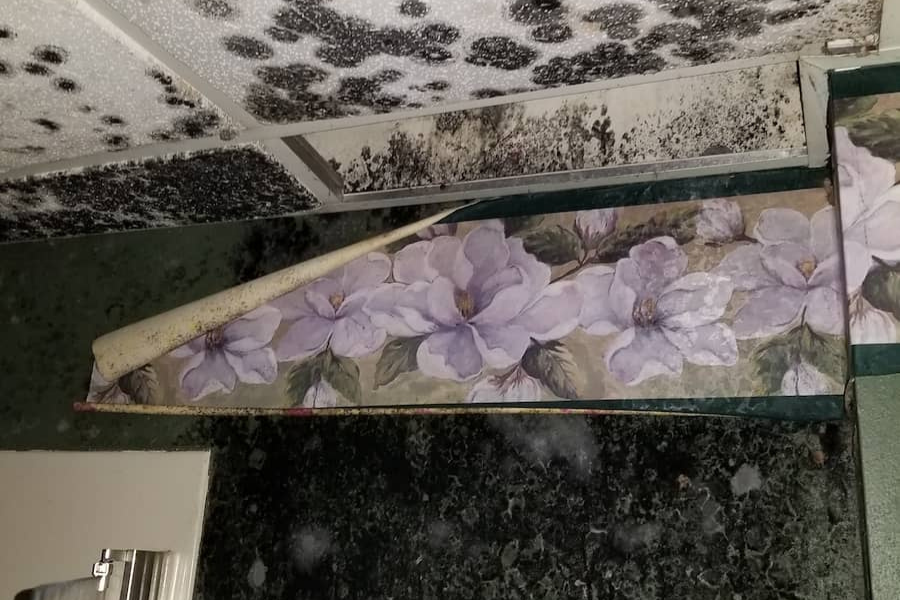
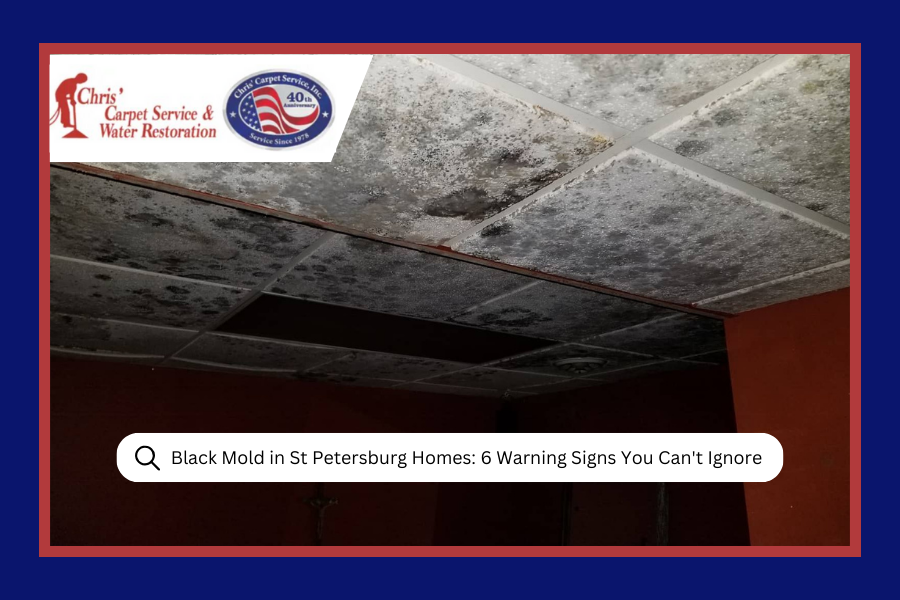
Black mold typically appears as dark, slimy patches that require professional removal.
Black mold typically appears as dark greenish-black spots that have a slimy or wet appearance. Unlike regular mildew that you can wipe away easily, black mold has a more substantial presence. You might notice it clustered in corners, along baseboards, or anywhere moisture tends to collect. In St. Pete homes, we often find it behind furniture pushed against exterior walls or in bathrooms with poor ventilation.
3. Unexplained Health Symptoms in Your Family
Here's where things get serious. If family members are experiencing persistent coughing, sneezing, headaches, or respiratory issues that seem to improve when they leave the house, black mold could be the culprit. The CDC notes that mold exposure can lead to nasal stuffiness, throat irritation, coughing, eye irritation, and skin irritation in sensitive individuals. People with asthma or allergies might notice their symptoms getting worse. Kids and elderly family members are especially vulnerable to these effects. Don't brush off these symptoms, they're your body's way of telling you something's wrong in your environment.
Health Warning Signs Checklist
Are you or your family members experiencing any of these symptoms at home?
If you checked 2 or more boxes, it's time to inspect your home for mold.
Time to Take Action?
If you're noticing any of these warning signs, don't wait for the problem to get worse. At Chris' Carpet Service & Water Restoration, we've been helping St. Pete families deal with mold issues since 1976. Our IICRC-certified technicians know exactly how to identify, contain, and remove black mold safely. We're available 24/7 because we understand that mold doesn't wait for business hours.
Contact Us TodayCall (727) 888-5111 for a free consultation
4. Recent Water Damage or Ongoing Moisture Issues
This one's a big red flag. If you've had any water damage incidents in the past few months, whether from a leaky pipe, roof damage during a storm, or an overflowing appliance, you're at high risk for black mold growth. It can start developing within 24 to 48 hours after water exposure. Even ongoing issues like condensation on windows, sweating pipes, or poor ventilation create the perfect breeding ground.
5. Peeling or Bubbling Paint and Wallpaper
When moisture gets trapped behind walls, it creates an ideal environment for mold growth. You might notice paint that's peeling, bubbling, or cracking, especially in rooms like bathrooms or kitchens. Wallpaper might start lifting at the seams or showing discoloration. These aren't just cosmetic issues, they're often signs that moisture and possibly mold are lurking behind the surface.
6. Visible Water Stains or Discoloration
Yellow, brown, or dark stains on walls, ceilings, or floors are telltale signs of moisture problems. In St. Petersburg homes, we often see ceiling stains from roof leaks or around windows after heavy rain. Even if the area feels dry now, that past moisture could have created conditions for black mold growth. Water stains are like a neon sign pointing to potential mold issues.
What to Do If You Spot These Warning Signs
First things first, don't try to tackle black mold yourself with a bottle of bleach and a scrub brush. That approach can actually make things worse by spreading spores throughout your home. Here's what you should do instead:
Immediate Steps:
- Increase ventilation in affected areas
- Use dehumidifiers to reduce moisture levels
- Fix any active leaks or moisture sources right away
- Avoid disturbing the mold
- Keep family members (especially kids and anyone with respiratory issues) away from affected areas
Professional Help:
Contact a certified mold remediation company (that's where we come in). Professional remediation involves proper containment, specialized equipment, and safe removal techniques that protect your family and prevent the mold from spreading. We follow IICRC standards to ensure the job is done right the first time.
Looking for more information about mold? Check out our guide on whether mold remediation is covered by insurance in Florida or read about a real case where hidden mold took over a Clearwater home.
Prevention Tips for St. Pete Homeowners
Once you've dealt with black mold, you'll want to make sure it doesn't come back. Here are some practical prevention strategies:
| Prevention Area | Action Steps | Frequency |
|---|---|---|
| Bathroom Ventilation | Run exhaust fans during and 30 minutes after showers | Daily |
| Humidity Control | Use dehumidifier to keep indoor humidity below 50% | Continuous |
| Leak Repairs | Fix any leaks within 24-48 hours | As needed |
| AC Maintenance | Clean and inspect AC units, check drain pans | Quarterly |
| Drainage Check | Ensure proper drainage around foundation | Monthly |
| Wet Items | Dry towels, clothes, rugs promptly, don't leave sitting | Daily |
Remember, water damage is often the precursor to mold problems. Addressing moisture issues quickly is your best defense against black mold taking hold in your St. Pete home.
Frequently Asked Questions
Can I remove black mold myself?
No, we strongly advise against DIY black mold removal. Black mold produces toxic spores that can become airborne during removal, spreading throughout your home and causing health issues. Professional remediation companies have the proper equipment, containment procedures, and safety gear to remove black mold safely without exposing your family to additional risk.
How quickly can black mold develop after water damage?
Black mold can begin growing within 24 to 48 hours after a water damage event in St. Petersburg's humid climate. This is why immediate action is crucial after any flooding, leaks, or moisture intrusion. The longer water sits, the higher your risk of developing a serious mold problem.
Is black mold always black in color?
Not always. While Stachybotrys chartarum (true black mold) is typically dark greenish-black, it can sometimes appear dark brown or even have a slightly greenish hue. The color can vary depending on the surface it's growing on and the stage of growth. If you spot any unusual dark growth in your home, it's best to have it professionally identified.
Does homeowners insurance cover black mold remediation in Florida?
Coverage varies significantly depending on your policy and the cause of the mold growth. Generally, if mold resulted from a sudden, covered event like a burst pipe, insurance may cover remediation. However, mold from long-term neglect or maintenance issues typically isn't covered. Review your policy carefully and document everything. We can work directly with your insurance company to help streamline the claims process.
Don't Let Black Mold Take Over Your Home
Black mold is serious business, but catching it early makes all the difference. At Chris' Carpet Service & Water Restoration, we've been protecting St. Petersburg families from mold hazards for nearly 50 years. Our certified technicians use advanced techniques and equipment to not just remove the mold you can see, but address the moisture issues that caused it in the first place.
If you've noticed any of these warning signs in your home, don't wait. Call us at (727) 888-5111 or contact us online for a free consultation. We're available 24/7 because your family's health can't wait.