
Water Damage vs Flood Damage - Homeowner's Insurance Guide
Jump To:
You're staring at water spreading across your floor. Your heart races as you grab your phone to call your insurance company. But wait, will this be covered? The answer depends on something most Tampa Bay homeowners don't fully understand: the crucial difference between water damage and flood damage coverage. At Chris' Carpet Service & Water Restoration, we've helped Florida families navigate this confusing situation since 1976, and we're here to clear up the confusion.
Here's what catches people off guard. Your standard homeowners insurance covers certain types of water damage. Flood damage? That requires a completely separate policy. Miss this distinction, and you could be facing thousands in out-of-pocket costs for damage you thought was covered.
Water Damage vs Flood Damage: Key Differences
Water damage and flood damage sound similar, but insurance companies treat them as entirely different events. Understanding this distinction matters when filing claims.
Water damage typically comes from internal sources. Think burst pipes, leaking water heaters, overflowing washing machines, or roof leaks from wind-driven rain. These sudden, accidental incidents fall under standard homeowners insurance. The key? The water source originates inside your property or comes from above through covered perils.
Flood damage, by contrast, involves water entering from ground level or below. This includes rising water from heavy rain, storm surge, overflowing bodies of water, or saturated ground. When water comes up through your foundation or in through your doors because the ground outside is underwater, that's flood damage. Standard policies won't touch it.
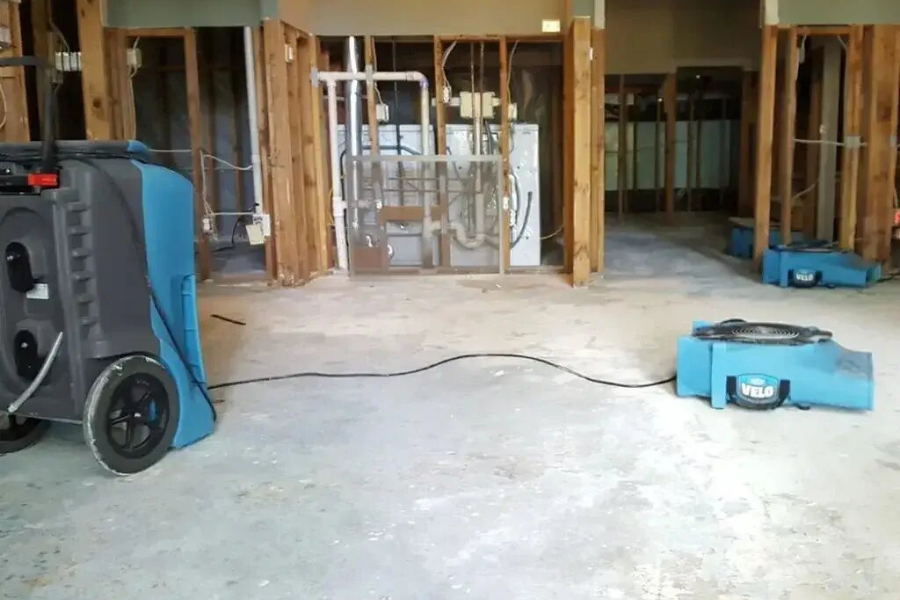
Professional restoration equipment helps prevent mold growth and structural damage after water intrusion.
Common Water Damage Scenarios Covered by Homeowners Insurance
- Burst or frozen pipes(though Florida rarely deals with freezing)
- Appliance malfunctions like washing machine hose failures or dishwasher leaks
- Water heater ruptures that flood your home
- Roof leaks from wind or hail damage during storms
- Plumbing failures inside walls or under sinks
- AC condensation line backups(common in Florida's humid climate)
- Toilet overflows from mechanical failure
Water Emergency? We're Here 24/7
Our IICRC-certified team at Chris' Carpet Service & Water Restoration responds to Tampa Bay emergencies in 60 minutes or less. Don't let water damage become a mold problem.
Get Help NowCall (727) 888-5111
What Does Homeowners Insurance Actually Cover?
Standard homeowners policies in Florida cover "sudden and accidental" water damage. The insurance industry defines this as unexpected events that happen quickly, not gradual deterioration or maintenance issues you should have prevented.
Your policy covers the damage itself plus necessary restoration work. This includes water extraction, structural drying, damaged material removal, and mold remediation if the mold resulted from a covered water event. Most policies also cover temporary living expenses if your home becomes uninhabitable during restoration work.
What Homeowners Insurance DOESN'T Cover
Here's where homeowners get surprised. Several common water scenarios fall outside standard coverage:
| Excluded Scenario | Why It's Not Covered |
|---|---|
| Flood damage from rising water | Requires separate flood insurance policy |
| Gradual leaks or seepage | Considered maintenance issue |
| Water backup from sewers or drains | Needs specific endorsement/rider |
| Mold from long-term humidity | Prevention is owner responsibility |
| Damage from lack of maintenance | Owner negligence exclusion |
Ground water seepage presents a gray area. Water coming through cracks in your foundation due to saturated soil might not qualify as flood damage, but it also might not meet the "sudden and accidental" standard. This is where documentation becomes crucial, which we'll cover in the claims section.
Special Considerations for Florida Homeowners
Florida policies often include specific exclusions due to our climate and geography. Hurricane deductibles kick in when the National Weather Service declares a hurricane watch or warning. These deductibles, typically 2 to 10 percent of your home's insured value, apply separately from your standard deductible.
Wind-driven rain coverage varies by policy. Some insurers cover water that enters through wind-damaged openings like broken windows or torn roof sections. Others exclude it entirely unless you purchase additional coverage. Read your policy's wind and water provisions carefully, especially if you live in coastal areas like Clearwater or St. Petersburg.
Understanding Flood Insurance in Florida
Flood insurance operates completely separately from homeowners coverage. The National Flood Insurance Program (NFIP), administered by FEMA, provides most flood policies, though private insurers now offer alternatives.
Standard NFIP policies cover up to $250,000 for your home's structure and $100,000 for contents. Coverage includes the building foundation, electrical and plumbing systems, HVAC equipment, and appliances. It also covers cleanup costs and measures to prevent immediate further damage.
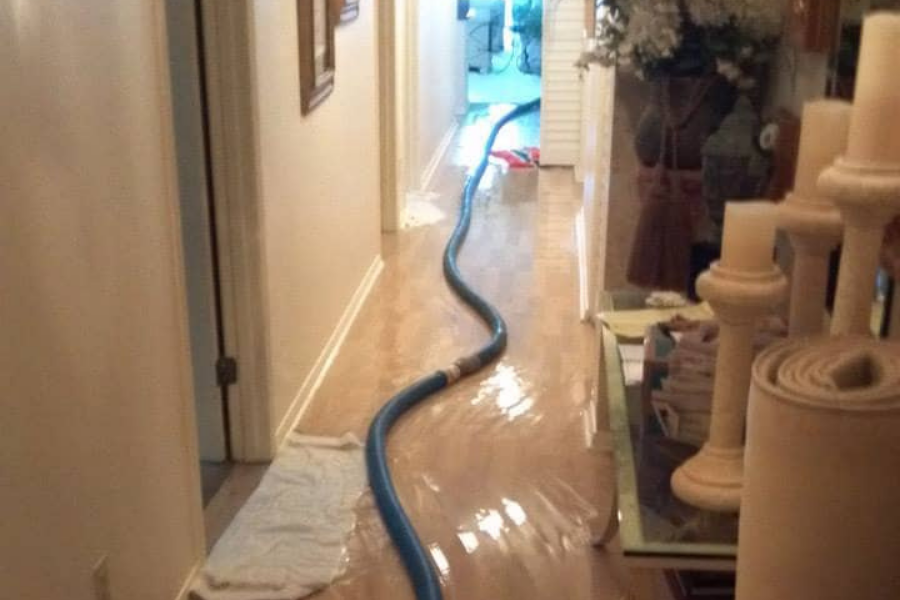
Flood damage requires specialized cleanup to prevent contamination and long-term structural issues.
Who Needs Flood Insurance?
If you have a federally backed mortgage and live in a high-risk flood zone, your lender requires flood insurance. But flood risk isn't limited to coastal areas or designated zones. According to FEMA, over 20 percent of flood claims come from properties outside high-risk areas.
Tampa Bay's flat terrain and proximity to water bodies create flood risk across the region. Heavy afternoon thunderstorms can overwhelm drainage systems even miles inland. Storm surge from hurricanes can push water several miles from the coast. We've responded to flood emergencies in St. Petersburg neighborhoods that homeowners never considered flood-prone.
Flood Insurance Waiting Periods and Costs
Standard flood policies have a 30-day waiting period before coverage begins. Plan ahead rather than waiting for storm season. The average annual premium in Florida runs around $570, but costs vary based on your flood zone, elevation, and property value.
Properties in high-risk zones (labeled A or V on flood maps) pay more than moderate or low-risk zones. However, even outside designated zones, coverage remains affordable and might prove invaluable. Our team has seen too many homeowners without flood insurance facing complete financial devastation after major storms.
Insurance Coverage Quick Reference
Homeowners Insurance Covers:
- Burst pipes
- Appliance leaks
- Roof leaks (storm damage)
- Water heater failures
- Sudden plumbing issues
Flood Insurance Covers:
- Rising groundwater
- Storm surge
- Overflow from bodies of water
- Heavy rain accumulation
- Mudflow
Remember: Water from above usually equals homeowners insurance. Water from below usually equals flood insurance.
Filing Claims Successfully
Proper documentation makes the difference between a smooth claims process and a denied claim. Start documenting immediately when you discover water damage, even before calling a restoration company.
Documentation Checklist for Water Damage Claims
- Photograph everything. Capture wide shots showing the extent of damage, close-ups of affected materials, and the water source if identifiable. Take video walkthroughs narrating what you're seeing.
- Note the timeline. Record when you first noticed the damage, when the water intrusion likely started, and when you took action to stop it. Timestamps matter for proving the "sudden" nature of the event.
- Document your response. Keep receipts for any emergency measures you took, like buying a wet-dry vacuum or tarps. Save bills from restoration companies. Track all related expenses.
- Preserve evidence. Don't discard damaged materials until your adjuster has seen them. If you must remove items for safety, photograph them first and keep samples if possible.
- List affected property. Create a detailed inventory of damaged belongings, including approximate purchase dates and values. The more specific, the better.
Contact your insurance company immediately, typically within 24 to 48 hours of discovering damage. Delays can complicate claims or even lead to denials. Many policies require prompt notification. We've created a detailed guide on documenting water damage that walks through this process step by step.
Working with Insurance Adjusters
Your insurance company will send an adjuster to assess the damage. This person determines how much the company will pay. Having professional documentation from a certified restoration company helps support your claim.
At Chris' Carpet Service & Water Restoration, we work directly with insurance adjusters daily. Our technicians use industry-standard moisture meters, thermal imaging, and documentation protocols that adjusters recognize and trust. We provide detailed scope reports using Xactimate, the same estimating software insurance companies use. This alignment streamlines the claims process and reduces disputes over coverage or costs.
Don't assume the adjuster's initial assessment is final. If you disagree with their evaluation, you can request a second opinion or hire a public adjuster to advocate on your behalf. However, choosing a restoration company with strong insurance relationships often prevents these complications from the start.
Important Claim Tip
Even if you're unsure whether damage is covered, file the claim anyway. Let the insurance company make the determination. Failing to report potential damage can create problems later if hidden issues emerge. The worst they can say is no, but not reporting could void coverage for related problems down the line.
Prevention and Preparation
Smart homeowners take steps to minimize water damage risk before problems occur. While you can't prevent all incidents, these measures significantly reduce your vulnerability and might even lower your insurance premiums.
Protecting Against Internal Water Damage
Regular maintenance catches problems before they become emergencies. Inspect visible plumbing under sinks and around toilets quarterly. Check washing machine hoses annually and replace them every five years, or sooner if you notice cracks or bulging. Install water heater drain pans and consider a leak detection system that alerts you to moisture.
Know where your main water shutoff valve is located. In an emergency, shutting off water immediately limits damage. Label the valve clearly and make sure everyone in your household knows its location. During vacations or extended absences, shut off individual appliance supply lines or the main valve entirely.
For Florida homeowners, AC maintenance is critical. Condensation line clogs cause thousands of water damage claims annually. Have your HVAC system serviced twice yearly and check the condensation pan and drain line regularly. Installing a float switch that shuts off your AC when the pan fills prevents overflow damage.
Flood Preparation for Tampa Bay Homes
Living in Florida means preparing for storm season every year. Create a home inventory before hurricane season arrives. Photograph or video every room, documenting valuables and property conditions. Store these records off-site or in cloud storage.
Evaluate your property's drainage. Gutters should direct water away from your foundation. Grade your yard so water flows away from the house, not toward it. Consider installing a sump pump if your property sits in a low-lying area, though this is less common in Florida than northern states.
Develop an emergency response plan that includes:
- Contact information for your insurance agent and company
- Contact information for trusted restoration companies like Chris' Carpet Service & Water Restoration
- Location of utility shutoffs (water, gas, electric)
- Safe evacuation routes and destinations
- Storage locations for important documents and valuables
Review your insurance policies annually, especially before June 1st when hurricane season begins. Understand what's covered, what's not, and what your deductibles are. This isn't fun reading, but it prevents nasty surprises when you're already stressed about property damage. For more insights on preventing water damage in our area, check out our guide on common mistakes Tampa Bay homeowners make.
Frequently Asked Questions
Does homeowners insurance cover water damage from a leaking roof?
It depends on what caused the leak. If storm damage like wind or hail created the opening, your homeowners insurance typically covers both the roof repair and resulting water damage. However, if the leak resulted from poor maintenance, aging materials, or gradual deterioration, the insurance company will likely deny your claim. The key distinction is whether the cause was sudden and accidental or something you should have prevented through regular maintenance. Document the cause thoroughly when filing your claim.
Will my insurance cover mold damage in Florida?
Homeowners insurance in Florida covers mold remediation only if the mold resulted from a covered peril like a burst pipe or sudden water damage. If mold developed from long-term humidity, poor ventilation, or gradual leaks, your policy won't cover it. Most Florida policies include mold coverage limits, often capping mold remediation at $10,000 to $25,000 even when it stems from a covered event. You can purchase additional mold coverage through endorsements if you want higher limits. The critical factor is addressing water damage immediately to prevent mold growth in the first place.
How long do I have to file a water damage insurance claim in Florida?
Most insurance policies require notification within a reasonable timeframe, typically within days of discovering damage. Florida law gives you up to three years to file a lawsuit related to a property insurance claim, but insurance companies expect much faster reporting. Contact your insurer within 24 to 48 hours of discovering water damage. Delays can complicate claims processing, and some policies specifically require prompt notification or they may deny coverage. Even if you're unsure about coverage, report the incident immediately to protect your rights.
What's the difference between a hurricane deductible and a regular deductible in Florida?
Your regular deductible is a fixed dollar amount you pay before insurance coverage kicks in for most claims. A hurricane deductible, mandatory in Florida, is calculated as a percentage of your home's insured value, typically 2 to 10 percent. This means if your home is insured for $300,000 with a 5 percent hurricane deductible, you'll pay $15,000 out of pocket before insurance coverage begins. Hurricane deductibles only apply when the National Weather Service issues a hurricane watch or warning for your area. This higher deductible can catch homeowners off guard, so understanding this before storm season is essential.
Need Water Damage Help in Tampa Bay?
Chris' Carpet Service & Water Restoration has served the Tampa Bay area since 1976. Our IICRC-certified team responds to emergencies 24/7, working directly with your insurance company to make the claims process as smooth as possible. Whether you're dealing with a burst pipe, storm damage, or aren't sure if your situation is covered, we're here to help.
We're a locally owned, women-owned business that treats every home like our own. Our average emergency response time is 60 minutes or less throughout the Tampa Bay area, including Tampa, St. Petersburg, Clearwater, and surrounding communities.
Contact Us TodayCall (727) 888-5111
Available 24/7 for emergencies