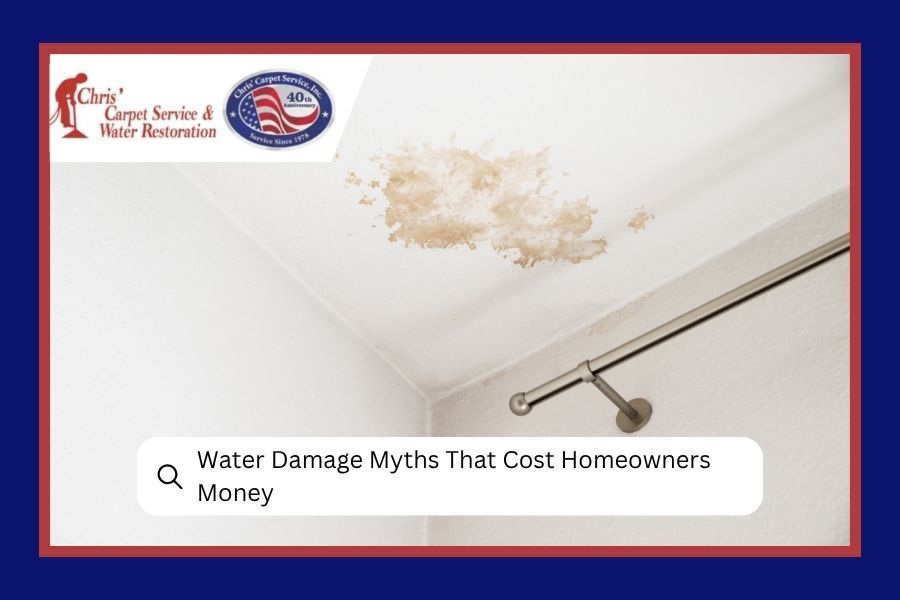
Water Damage Myths That Cost Homeowners Money
The water damage myths that cost Tampa Bay homeowners the most are the ones that make waiting feel safe. Our IICRC certified team at Chris' Carpet Service & Water Restoration has provided professional water damage restoration here for nearly five decades, and we hear the same ones every week.
They sound reasonable. That's the problem. Here are six big ones and what each tends to cost the folks who believe it.
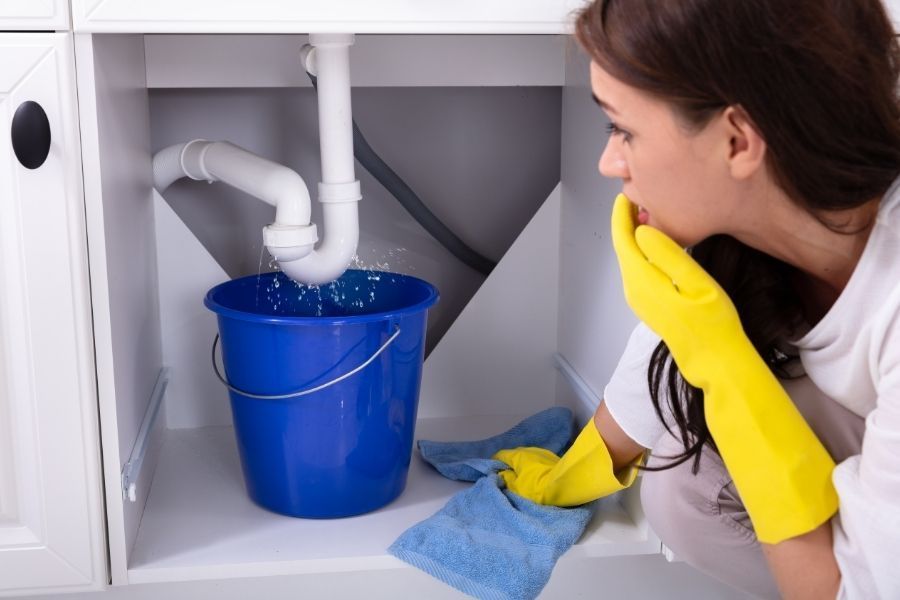
A bucket buys you time, not a fix. Slow drips like this can soak cabinet bases and subfloors well before you spot the damage.
Is Your Home Really Dry After a Leak?
A surface that feels dry can still be soaking wet underneath. Water wicks up drywall, slips under baseboards, and settles into slabs and subfloors. Without moisture readings, nobody knows when drying is truly done, and guessing wrong turns small leaks into big repairs.
Myth #1: "If It Looks Dry, It's Dry"
Most Florida homes sit on concrete slabs, which hold water like a sponge. Tile and laminate trap it underneath, so floors look fine while the adhesive quietly lets go. That's why we check with moisture meters and thermal cameras. If the numbers say wet, it's wet.
Myth #2: "A Few Box Fans Will Handle It"
Box fans are great for a sweaty Saturday in the garage. For drying a house? Not so much. In our humidity, they mostly push damp air from one room to the next.
Real drying pairs commercial dehumidifiers with air movers and daily moisture checks. Here's the equipment restoration crews actually use.
Not sure if it's really dry?
Email us what happened, plus a few photos of the wet spots. We'll tell you straight if you need a pro. Estimates are always free.
Email Us Your PhotosHow Fast Does Mold Grow After Water Damage?
Mold can start growing within 24 to 48 hours. That's why the EPA's guide to mold and moisture says to dry wet materials and water damaged areas inside that window. In Tampa Bay's heat, waiting a week to see what happens usually means seeing mold.
Myth #3: "Mold Takes Weeks to Show Up"
Mold doesn't check the calendar. Spores float around every home and only need water plus food, like drywall paper or carpet backing. Our sticky summers speed that up, so here are our tips on preventing mold growth in hot weather.
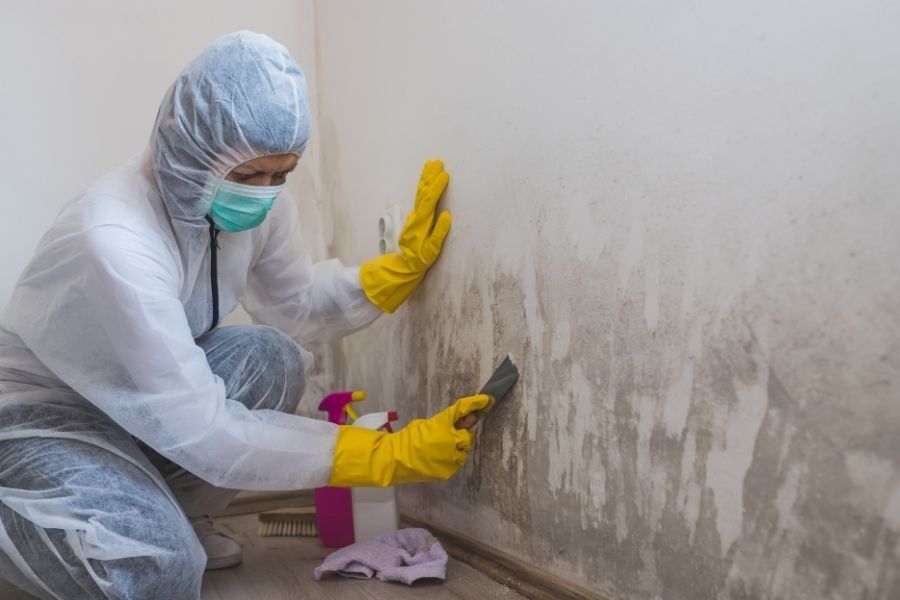
Mold often starts out of sight, behind baseboards.
Myth #4: "Bleach Fixes Mold for Good"
Bleach makes mold look gone. On porous drywall and carpet pad, mold grows into the material, where a wipe can't reach. The EPA also notes that dead mold can still trigger allergies, so it has to be removed, not just killed.
That's the job of certified mold remediation services: contain the area, remove what's affected, and fix the moisture behind it.
Quick Check: Myth or Fact?
Tap each one to find out.
"Wet carpet always has to be thrown out."
Myth. After a clean water leak, carpet can often be dried and saved. Sewage soaked carpet is another story.
"Florida heat dries things out faster."
Myth. Our humidity slows drying, and warm, damp rooms are exactly what mold loves.
"Clean water from a burst pipe can turn dirty."
Fact. As it sits and soaks into floors and walls, it picks up bacteria, which changes how it has to be cleaned up.
Does Homeowners Insurance Cover All Water Damage?
No, and this one catches people off guard every hurricane season. Many policies cover sudden water, like a burst supply line. Rising floodwater is a different deal. FloodSmart, the National Flood Insurance Program's official site, says most homeowners policies don't cover flooding at all.
Myth #5: "My Policy Covers Every Kind of Water"
Storm surge and rising rainwater count as flooding. FloodSmart also reports that nearly a third of flood claims come from outside high risk zones, so skipping flood coverage is a gamble. Our guide to water damage vs. flood damage coverage breaks it down.
If storm water gets in, call a storm and flood damage restoration crew fast, because floodwater is never clean. We work directly with insurers and write estimates in Xactimate, the software many adjusters use.
Myth #6: "A Slow Leak Can Wait"
A drip under the sink or a clogged AC drain line feels like a weekend project. Meanwhile, it's soaking the cabinet and subfloor. Many policies treat long running leaks as maintenance, not a covered loss, so waiting can cost you twice.
Water Damage Myths vs. Reality: Quick Cheat Sheet
Here's every myth above, side by side with what's really going on. Screenshot it, stick it on the fridge, or send it to the friend who swears by box fans. The last column shows where each myth hits your wallet.
| Myth | Reality | What It Can Cost You |
|---|---|---|
| Looks dry means dry | Moisture hides in walls and slabs | Cupped floors, hidden mold |
| Box fans are enough | Drying needs dehumidifiers | More tear out |
| Mold takes weeks | It can start in 24 to 48 hours | Mold removal plus water repairs |
| Bleach fixes mold | Mold must be removed, not just killed | Mold that keeps coming back |
| Insurance covers all water | Most policies exclude flooding | An unpaid claim |
| Slow leaks can wait | Leaks rot cabinets and subfloors | Bigger repairs, denied claims |
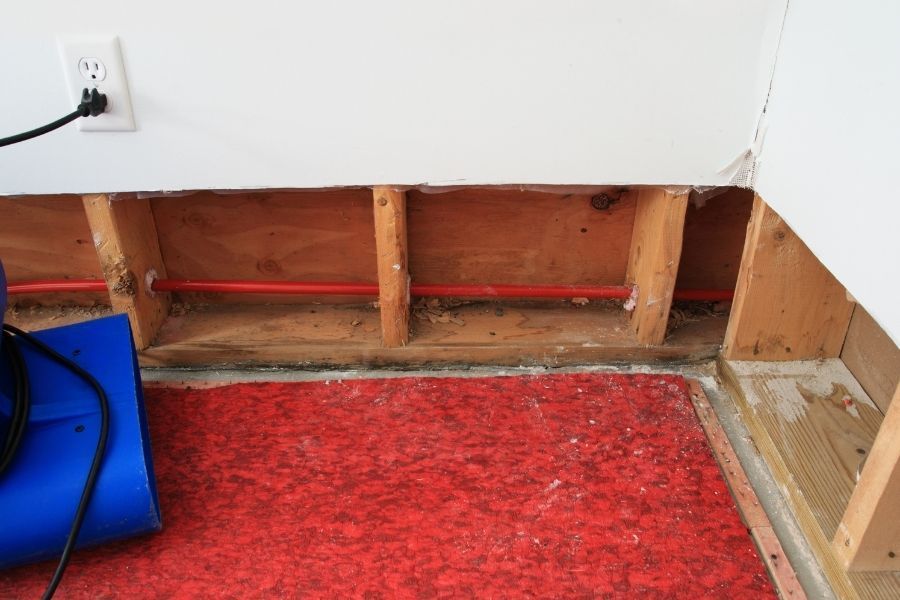
A box fan can’t reach water trapped behind drywall. Sometimes we cut the bottom of the wall open so the framing can actually dry out.
When Should You Call a Water Damage Pro?
Call a pro when water has soaked into walls, floors, or carpet, or when it came from a toilet, sewer line, or storm. That's where hidden moisture and contamination cause the nasty surprises. A quick look now beats tearing out cabinets later.
Chris' Carpet Service & Water Restoration is family owned, women owned, and IICRC certified in water damage restoration and mold remediation. We answer 24/7 from Clearwater to Tampa, including St. Petersburg water damage cleanup. Call us at and we'll talk you through it.
Frequently Asked Questions
How can I tell if water got under my tile or laminate?
Tap the tiles and listen for a hollow sound. Cracked grout, swelling laminate seams, or a musty smell near the floor are clues too. A moisture meter gives the real answer.
How long does it take to dry a house after a leak?
Most clean water jobs take about three to five days of drying. Thick materials like hardwood or a soaked slab can take longer, so we check readings daily until everything reads dry.
Can cupped hardwood floors flatten out on their own?
Sometimes. Mild cupping can settle as the wood dries slowly and evenly. Boards that buckle or pull up from the subfloor usually won't recover, and sanding too early can make things worse.