Preventing Mold Growth After Water Damage in Hot Weather
Jump To:
When water damage hits your home during a hot Florida summer, mold can take hold faster than most homeowners expect. At Chris' Carpet Service & Water Restoration, our IICRC-certified team has helped Tampa Bay families handle mold growth after water damage since 1976. Heat and humidity work together as an accelerator, and within a day or two, spores start spreading through carpets, drywall, and subfloors. Here's what we tell homeowners about preventing it, and the steps that actually work.
Why Hot Weather Speeds Up Mold After Water Damage
Mold grows fastest between 77 and 86 degrees Fahrenheit when humidity sits above 60%, and Tampa Bay summers hit those numbers without trying. After water damage, the inside of a wet structure becomes warmer and more humid than the air outside. That means mold colonies can form in less than a day on porous materials.
The same flood in a cooler, drier climate gives you several days of breathing room. Down here, you don't get that buffer. Every hour you wait works against you, especially in homes where the AC isn't running hard during cleanup.
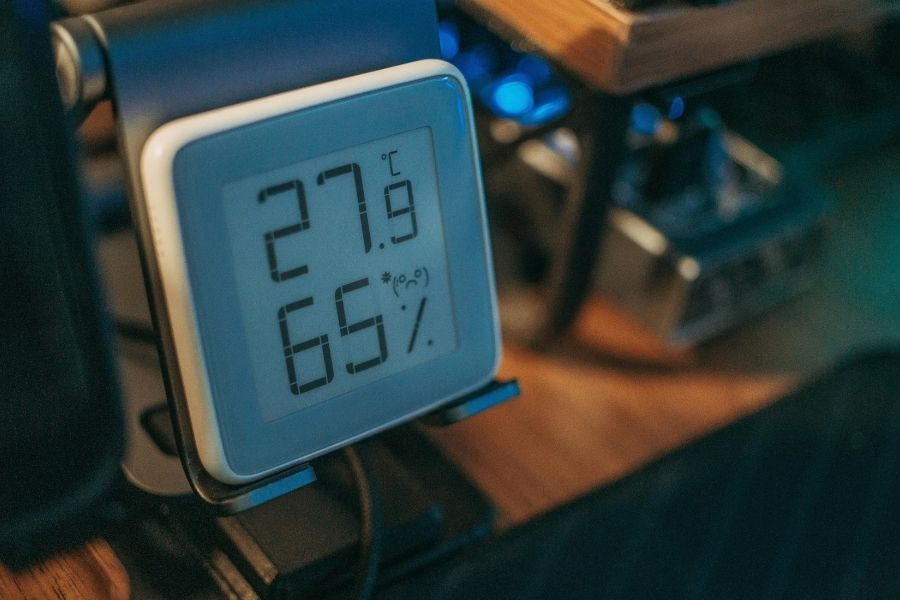
Florida summer humidity creates ideal mold conditions inside any wet structure within hours.
The 24 to 48 Hour Window You Can't Ignore
You have roughly 24 to 48 hours after water exposure before mold starts taking hold on porous surfaces. In our climate, that timeline shrinks toward the lower end. Acting fast in the first day is the difference between saving drywall and tearing it out.
The Mold Growth Timeline After Water Damage
| 0 to 12 hours | Water wicks into drywall, padding, and subfloor. |
| 12 to 24 hours | Surface mold spores wake up and begin colonizing. |
| 24 to 48 hours | Visible colonies form on baseboards, walls, and carpet padding. |
| 72+ hours | Full remediation, demolition, and possible reconstruction needed. |
The materials that go bad first are usually the ones you can't see, like the back of drywall, the underside of carpet padding, and the cavity behind kitchen cabinets. If you're worried about something hidden, our guide on black mold in Florida homes walks through what to look and smell for.
Water in your home right now?
Every hour matters in Florida heat. Our 24/7 emergency team responds in under 60 minutes across Tampa, St. Pete, and Clearwater.
Contact Our Team TodayHow to Prevent Mold Growth After Water Damage in Hot Weather
Speed and airflow are everything. The faster you cut moisture, the less likely mold gets a foothold. Use this checklist within the first 24 hours of any water event, even if the leak looks small.
- Shut off the water source. No drying matters until the leak stops. Hit the main valve if you can't isolate the line.
- Extract standing water immediately. A wet/dry vac handles small spills. Anything bigger needs commercial extraction equipment to pull water out of pad and subfloor.
- Run the AC at 72 degrees and add dehumidifiers. AC pulls humidity out of the air. Pair it with portable dehumidifiers in each affected room.
- Lift wet carpet and padding fast. Padding traps moisture against the subfloor, and most padding can't be saved after a soak. Our post on how long water damage takes to dry covers what to keep and what to toss.
- Open up walls if water sat overnight. Small inspection holes let technicians check for hidden moisture and direct airflow inside the cavity.
- Disinfect every hard surface. Wipe baseboards, framing, and concrete with an antimicrobial cleaner. The EPA's mold cleanup guidance recommends cleaning before drying when possible.
- Get airflow moving everywhere. Box fans, axial fans, and air movers keep evaporation going around the clock.
- Document everything for insurance. Photos, videos, and timestamped notes protect your claim later.
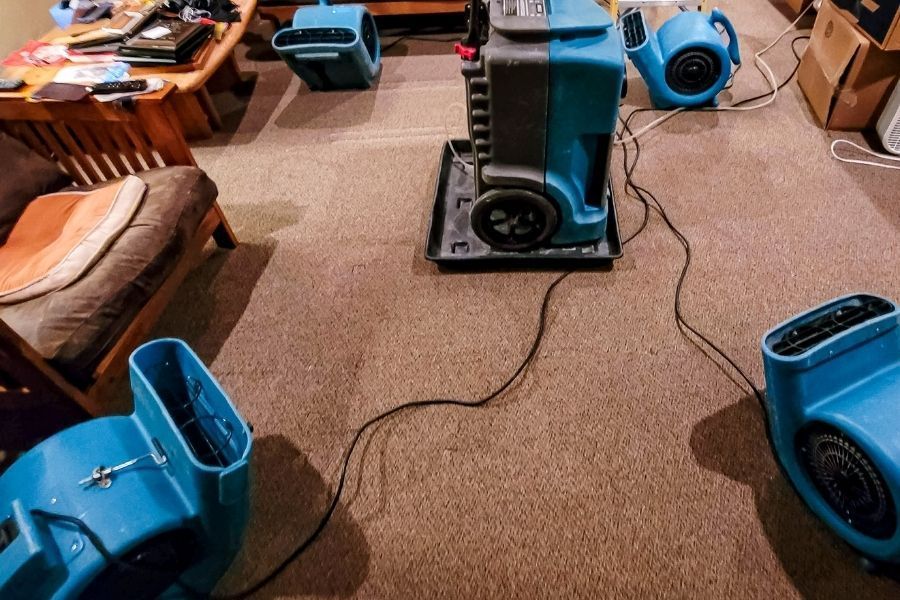
Commercial dehumidifiers and air movers do what household fans can't, especially in humid Florida summers.
Hidden Hot Weather Mold Hotspots Most Homeowners Miss
Some of the worst mold problems we see in Tampa Bay homes start in places people never check. Heat pushes humidity into tight, dark, poorly ventilated spaces, where colonies can grow for weeks before anyone notices a smell. Storm season makes it worse, which is why our 5-step storm water damage guide is worth a read before June.
| Hotspot | Why It's Risky | What to Do |
|---|---|---|
| AC vents and air handlers | Cool surfaces meet warm humid air, condensation forms | Inspect filters monthly, clear drip pans |
| Behind baseboards | Water wicks down and sits against wood | Pop one off after any flood to check |
| Under kitchen sinks | Slow drips meet warm cabinet interiors | Look for warping or musty smell weekly |
| Attic insulation | Roof leaks soak fiberglass, then bake in summer heat | Walk the attic after every storm |
| Closet corners | Poor airflow plus exterior wall condensation | Leave doors cracked, run a small fan |
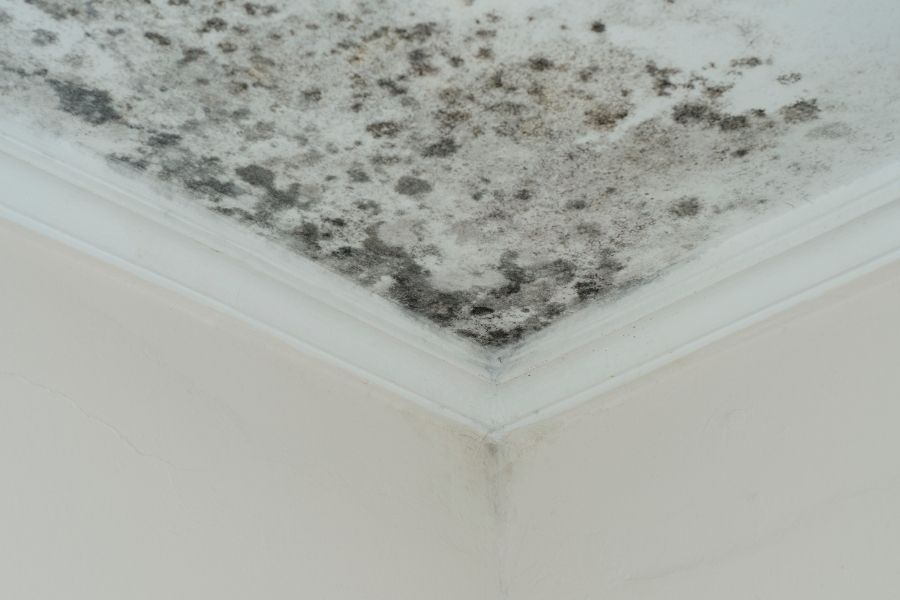
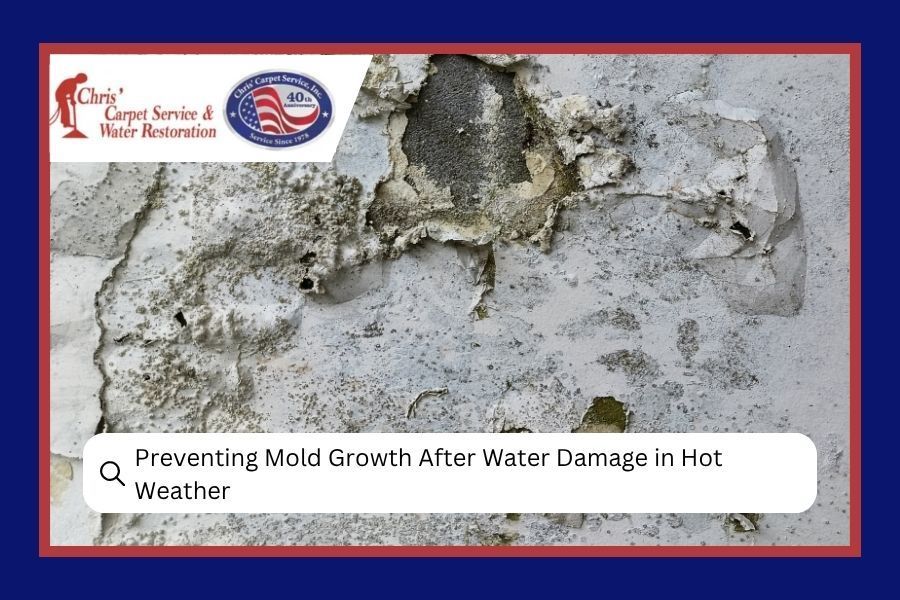
When water damage goes untreated long enough, this is where it ends up, dark patches climbing across the ceiling.
When DIY Drying Isn't Enough
If water sat for more than 24 hours, soaked into walls, or came from a sewage backup, you need a professional crew with commercial drying equipment. Our team uses thermal imaging, moisture meters, and industrial air movers to find moisture you can't see and dry it down to safe levels. According to the CDC's guidance on mold, incomplete drying is the leading cause of regrowth after a flood.
We've also seen plenty of professional carpet cleaning jobs turn into mold projects because someone tried to dry the carpet at home without lifting the padding. If your floor still feels damp two days after a leak, that's your sign.
Frequently Asked Questions
Can I just spray bleach on mold to kill it?
Bleach kills mold on hard, non-porous surfaces, but it doesn't work on drywall, wood, or carpet. Porous materials soak up the water in bleach and feed the mold underneath. For anything porous, removal is the safer call.
How long should I run dehumidifiers after a flood in Florida?
Run them continuously until materials read below 16% moisture content with a meter. In Tampa Bay summer conditions, that usually means at least 3 to 5 days, sometimes longer for thick subflooring or hardwood.
Will my AC alone prevent mold after water damage?
No. AC reduces humidity but can't move enough air across wet materials to dry them quickly. You need dedicated air movers and dehumidifiers placed at the source of the moisture.
My house smells musty but I don't see any mold. Should I worry?
Yes. A musty odor almost always means active mold somewhere, often in places you can't see. Schedule an inspection before it spreads further into walls or HVAC components.