
How Weather Patterns Affect Water Damage Risk
Living in the Tampa Bay Area means living with weather that keeps you on your toes. We love the sunshine, the warm winters, and the fact that we never have to shovel snow. But this climate comes with a real trade-off: our homes face water damage risks that other parts of the country don't deal with the same way. After nearly 50 years of serving Largo, Clearwater, St. Pete, and the surrounding communities, our team at Chris' Carpet Service & Water Restoration has seen exactly what this weather does to homes.
This isn't about scaring anyone. It's about knowing your home's vulnerabilities before a small problem turns into an emergency.
How Florida's Weather Creates Water Damage Risk Year-Round
Florida doesn't have a calm season, not really. The risks just shift. High humidity, afternoon thunderstorms, and tropical systems from June through November create a nearly year-round window for moisture problems to develop inside your home.
What makes Tampa Bay especially tricky is the combination of heat and humidity. According to NOAA's National Hurricane Center, the Gulf Coast is one of the most hurricane-vulnerable coastlines in the country. Storm surge, wind-driven rain, and sudden intense flooding aren't hypothetical here. They're part of the regular forecast.
But hurricanes aren't the only story. Most of the water damage we respond to comes from a three-hour afternoon downpour that overwhelmed a roof flashing, or from humidity quietly building inside a wall for months before mold finally showed up. The dramatic storms get the headlines. The slow-burn moisture problems cause a lot of damage too.
Not sure if your home has hidden weather damage?
We offer free estimates and respond fast. Don't wait until a small issue becomes a major one.
Contact Our Team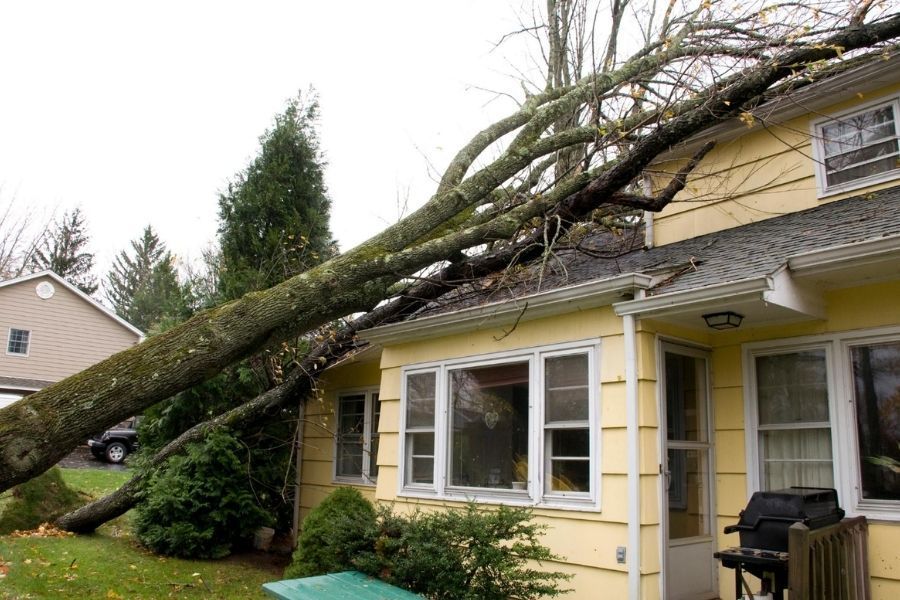
Storm damage to roofs creates direct entry points for water, often causing problems that aren't visible until mold or ceiling staining develops weeks later.
Season by Season: Your Water Damage Risk Calendar
Every month in Tampa Bay carries its own risks. Here's a breakdown of what we see throughout the year and what it typically means for local homes.
| Season | Months | Primary Threat | Common Damage |
|---|---|---|---|
| Dry Season | Nov – Apr | Cold fronts, wind | Window leaks, condensation mold |
| Early Rainy Season | May – Jun | Daily afternoon storms | Roof leaks, saturated soil |
| Peak Storm Season | Jul – Sep | Hurricanes, tropical storms | Flooding, storm surge, structural intrusion |
| Late Hurricane Season | Oct – Nov | Slow-moving storms | Extended flooding, sustained moisture mold |
Dry Season: Don't Let the Name Fool You
November through April is drier, but it's not risk-free. Cold fronts push wind-driven rain through window seals and around doors that held up fine all summer. Condensation-related mold issues are also common as homes get closed up and the AC cycles differently. If there's a musty smell that wasn't there before, it's worth checking out. Our professional mold remediation team can assess what's actually happening before it gets out of hand.
Rainy and Hurricane Season: When the Risks Stack Up
Starting in May, Tampa Bay sees nearly 50 inches of rain annually, much of it falling in concentrated afternoon bursts that can overwhelm gutters and drainage quickly. June 1 marks the official start of hurricane season, running through November 30. Our case study on flood damage after Hurricane Helene shows how fast storm damage can spread into a home. It almost always moves faster than people expect, which is why early response matters so much.
The Hidden Damage Weather Leaves Behind
Not all weather damage announces itself. Roof damage, window leaks, and saturated insulation can stay hidden for weeks or months before becoming a visible problem. By the time you see a water stain on your ceiling or smell something musty behind a wall, the moisture has usually been there long enough to cause real structural damage.
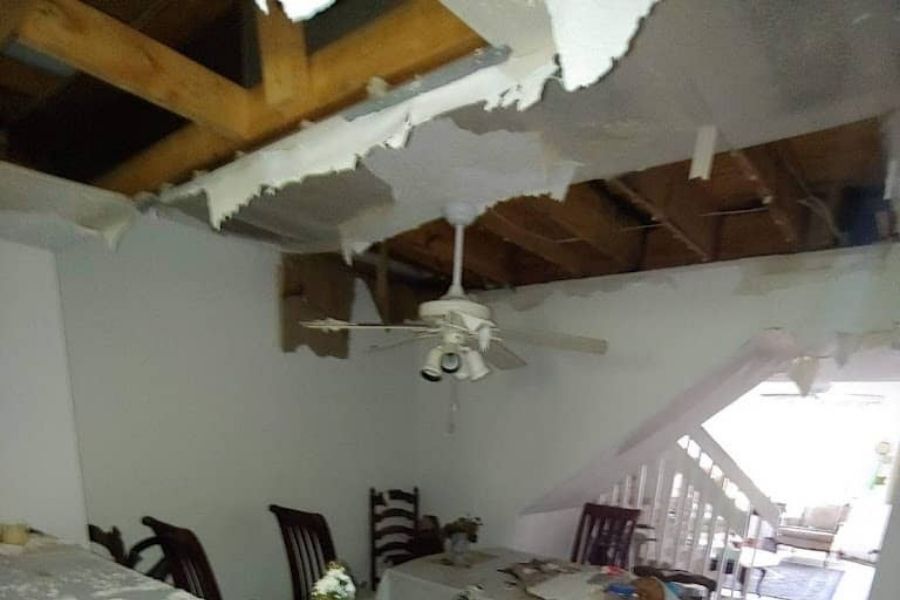
Ceiling staining after a storm is often just the visible tip of a larger problem. Water intrusion usually starts higher up and travels before it ever becomes visible.
We've seen this pattern many times. A homeowner notices a small yellowish stain, wipes it down, and decides to wait it out. Three months later, the drywall is soft and mold is growing behind the paint. What would have been a straightforward cleanup becomes a full remediation project.
According to the EPA's guidance on mold and moisture, mold can begin growing on wet materials in as little as 24 to 48 hours. Florida's humidity makes that window even shorter. Acting quickly is the difference between a manageable cleanup and a much larger one.
What to Watch For After a Storm
A quick walkthrough within 24 to 48 hours of any significant rain event can catch problems before they escalate. Run through this checklist after any major storm.
Post-Storm Home Inspection Checklist
- Check ceilings in every room for new staining, soft spots, or bubbling paint
- Inspect around all windows and exterior doors for dampness or moisture streaks
- Look at your roof from the ground for missing shingles or damaged flashing
- Check your attic for wet insulation or a new musty smell
- Walk the perimeter after heavy rain to spot pooling water near the foundation
- Check under sinks and around your AC air handler for unexpected moisture
If you find something, don't wait it out. Tampa Bay's humidity is unforgiving. Moisture that gets into drywall or wood framing does not dry on its own in this climate. Our flood damage restoration team responds 24/7 and can typically be on-site within 60 minutes. For a detailed post-storm game plan, check out our blog on 5 critical steps to stop water damage after a storm.
Dealing with storm damage or a water emergency?
Chris' Carpet Service & Water Restoration is available 24/7. IICRC certified, locally owned, and serving the Tampa Bay Area since 1976. Free estimates, always.
Get Help TodayFrequently Asked Questions
When is water damage risk highest in the Tampa Bay Area?
Risk peaks during hurricane season, June 1 through November 30, with August through October being the highest-risk months. However, year-round threats from afternoon storms, humidity buildup, and wind-driven rain during cold fronts mean there's no truly low-risk season for Tampa Bay homeowners.
Can high humidity alone cause water damage in my home?
Yes. Tampa Bay's consistently high humidity causes moisture to accumulate in attics, wall cavities, and poorly ventilated spaces over time. This leads to mold growth, wood rot, and deteriorating insulation without any storm or active leak involved. Poor ventilation in bathrooms, kitchens, and attic spaces is one of the most common contributors we see.
How quickly should I call for help after storm water enters my home?
As soon as possible, ideally within 24 hours. Mold can begin growing on wet materials in 24 to 48 hours, and Florida's humidity accelerates that timeline. A fast response almost always means a faster, simpler recovery.
Does homeowners insurance cover storm-related water damage in Florida?
It depends on your policy and the type of damage. Water intrusion from a roof leak or broken window during a storm is often covered under standard homeowners insurance. Flooding from storm surge typically requires separate flood insurance. Review your policy carefully and document all damage thoroughly before any repairs begin.