

How Rain Gets Inside Homes - 9 Common Entry Points
Jump To:
At Chris' Carpet Service & Water Restoration, we’ve been drying out Tampa Bay homes since 1976, and the same nine entry points show up over and over. Rain rarely barges through the front door. It slips through tiny gaps you’d never notice until the ceiling stains. Our IICRC certified water damage restoration team has seen all of these. Here’s where rain actually gets inside Florida homes.
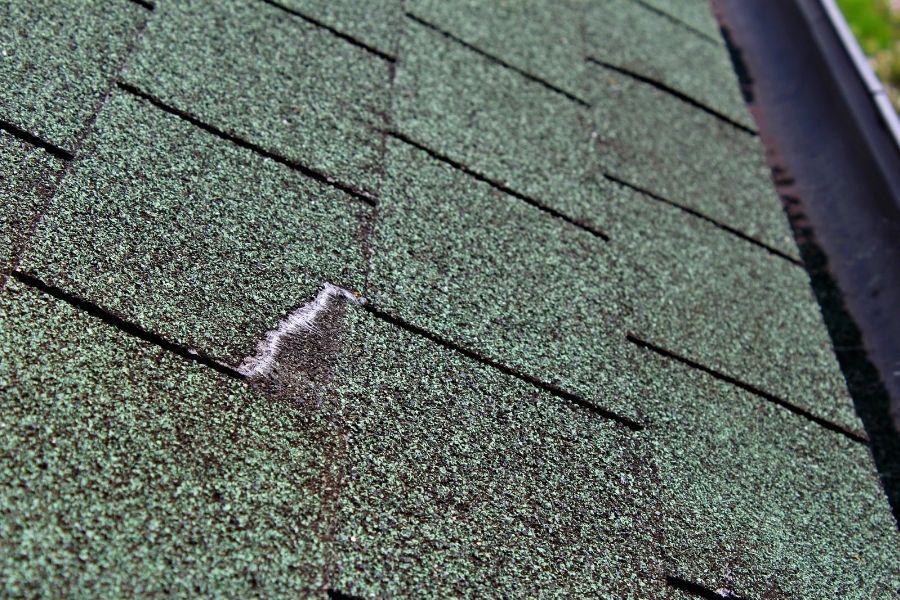
Wind-lifted shingles after a Florida storm. Even small gaps let serious water through.
Why Florida homes are different:
No basements. No freeze cycles. But hurricane wind, sideways rain, and humidity push water into spots that stay dry in other climates.
1. Damaged Roof Shingles and Flashing
Bad shingles are the most common reason rain ends up in your living room. Wind lifts the edges, sun cracks the surface, and squirrels handle the rest. Flashing fails too, the metal strip sealing transitions around vents, valleys, and chimneys.
After a hurricane, even tiny cracks let gallons of water sneak into the attic. Loose shingles in the grass or granules in the gutters mean your roof is telling you something.
2. Windows With Failing Seals or Caulking
Windows leak when caulking shrinks, cracks, or pulls away from the frame. Florida sun bakes those seals hard, and hurricane wind drives rain right into the gaps.
Look for paint bubbling under the sill or wood that feels soft. If you can see daylight around a frame, water’s already getting through. Re-caulking every few years is cheap insurance.
3. Doors With Worn Weatherstripping
The rubber strip along the bottom of an exterior door wears out faster than people think. Once it flattens, wind-driven rain pushes water under the threshold and into the entryway.
Sliding glass doors are worse. Their bottom track collects water during heavy rain, and a clogged drain hole turns the track into a small pool. Garage door seals perish quickly in our climate too.
Already See Water Damage?
Mold can start within 24 to 48 hours. Our team answers 24/7 and gets to most Tampa Bay properties in under an hour.
Get Emergency Flood Damage Help4. Cracks in Stucco, Siding, or Trim
Stucco hairline cracks are normal. Big ones aren’t. When stucco opens up, water gets behind the wall and sits there for weeks before anyone notices.
Wood siding splits where nails rust out, and vinyl panels pop loose in high wind. Any gap wider than a credit card edge needs sealing. Whatever water gets behind the wall stays there, which is why our mold remediation services often follow stucco repairs.
5. Foundation and Slab Cracks
Slab homes don’t flood from below, but water still wicks up through cracks. Pinellas County soil shifts, and after heavy rain, hairline slab cracks pull moisture inward.
You might see baseboards buckling or notice a damp smell near the floor along exterior walls. Small cracks can be sealed. Bigger ones need a structural look first.

Failed caulking around a window frame. Once paint bubbles, water has been there for a while.
6. Chimney Flashing and Crown Issues
A chimney is one big penetration in your roof. The flashing where it meets the shingles fails first. The crown, that concrete cap on top, cracks under constant sun.
Either failure sends rain straight down the chase. We’ve pulled saturated insulation out of attics where the only sign was a brown ceiling spot six feet from the chimney. Have a roofer check chimney transitions every couple of years.
7. Vents, Soffits, and Exhaust Openings
Dryer vents, bathroom fans, range hoods, and soffit panels all create openings in your home’s envelope. Hurricane wind drives rain straight up under a soffit and into the attic.
Damper flaps that don’t close fully let storms in through the laundry room. Walk around your house during a heavy rain. Drips at any vent cover mean you’ve found an entry point.
Quick Reference: Entry Points and Warning Signs
| Entry Point | Warning Sign |
|---|---|
| Roof & shingles | Granules in gutters, ceiling stains |
| Windows | Bubbling paint, soft sill wood |
| Doors | Wet entryway floor after rain |
| Stucco / siding | Visible cracks, loose panels |
| Foundation | Buckling baseboards, musty smell |
| Chimney | Brown spot near ceiling |
| Vents / soffits | Drips at fan or vent covers |
| Gutters | Stained fascia, plant growth |
| Skylights | Streaks under glass |
8. Clogged or Overflowing Gutters
Gutters do one job: move water away from the house. When they clog with leaves and Spanish moss, water spills over the edge, soaks the fascia, and runs down the wall.
Fascia rots, soffit follows, and suddenly there’s a path straight into the attic. Clean gutters twice a year, more often if you have oaks. Downspouts should drop water at least four feet from the foundation.
9. Skylights and Other Roof Penetrations
Skylights are beautiful and a leak hazard. The flashing around them ages faster than the surrounding roof, and the seal between glass and frame breaks down in our heat.
Pipe stacks, vent boots, and solar panel mounts create the same problem. Rubber boots crack and screws back out. According to IBHS research on wind-driven rain, small roof penetrations cause a major share of storm-related interior damage.

A ceiling stain like this usually points back to a roof penetration, not the spot above.
What To Do When Rain Gets In
Don’t wait. The EPA’s guide on mold and moisture notes that mold can begin growing within 24 to 48 hours of water exposure. If you see staining, hear dripping, or smell something musty after a storm, get eyes on it fast.
Our team responds across Tampa, St. Pete, and Clearwater within an hour, day or night. The crew at Chris' Carpet Service & Water Restoration handles drying, mold cleanup, and the insurance paperwork. Contact our team any time you need a hand.
Related Reading:
Frequently Asked Questions
How can I tell where rain is getting into my home?
Look for ceiling stains, peeling paint, swollen drywall, or a musty smell after storms. Check the attic with a flashlight during a heavy rain if you can do it safely. Active leaks usually show within a few hours of the rain starting.
Does homeowners insurance cover rain damage?
Most policies cover sudden rain intrusion from storm damage, like a wind-blown shingle. Long-term leaks from poor maintenance are usually excluded. Document everything with photos before any cleanup starts.
How fast does mold grow after rain leaks in?
Mold can start growing within 24 to 48 hours of water exposure. Florida humidity makes that timeline tighter. The faster wet materials are dried, the lower the chance of mold taking hold.
Can I just dry it out with fans after a rain leak?
Surface moisture, sometimes. Water inside walls, ceilings, or insulation needs commercial dehumidifiers and moisture meters to dry properly. Without that, the surface dries while the inside stays wet, and mold follows.