How Old Pipes Cause Modern Water Damage Problems
Jump To:
Old pipes are ticking time bombs in Tampa Bay homes. We've seen it happen countless times over our nearly 50 years in business: a perfectly normal Tuesday turns into a water emergency because 40-year-old galvanized pipes finally gave out. At Chris' Carpet Service & Water Restoration, we respond to these situations weekly with our emergency water damage restoration services. The problem isn't just leaks anymore. Modern living puts stress on plumbing that wasn't designed for today's water pressure, chemical additives, or usage patterns.
Here's what most homeowners don't realize. Your pipes age from the inside out. Surface corrosion you can spot? That's actually the least of your problems. The real damage happens where you can't see it, building pressure and weakening structural integrity until something catastrophic happens.
Warning Signs Your Pipes Are Failing
Discolored water tells you everything you need to know about pipe condition. Rusty or brown water means corrosion has eaten through protective layers and is now contaminating your supply. Don't ignore it.
Water pressure changes signal trouble. If your shower suddenly feels weak or fluctuates randomly, sediment buildup or pipe deterioration is restricting flow. This isn't a minor inconvenience, it's your plumbing screaming for attention.
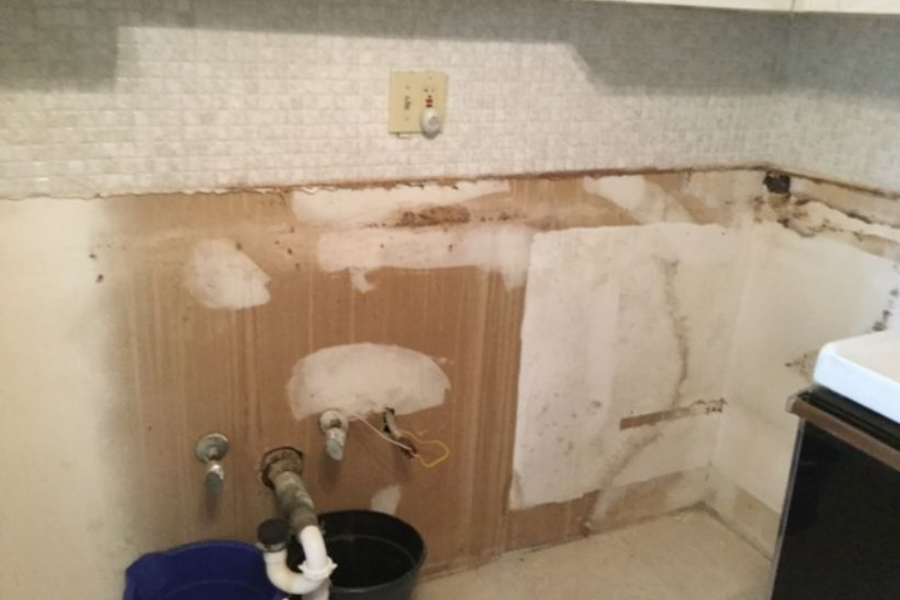
Exposed pipe corrosion reveals decades of hidden deterioration that homeowners never see until it's too late
Strange noises coming from walls or floors mean something's wrong. Banging pipes (water hammer), hissing sounds, or gurgling indicate pressure problems or air pockets caused by corrosion and buildup. These sounds get worse over time.
Critical Warning Checklist
- Visible corrosion on exposed pipes or connections
- Water stains on ceilings, walls, or around fixtures
- Damp spots on floors or carpets with no clear source
- Mold growth in bathrooms, kitchens, or near plumbing
- Sudden spike in water bills without increased usage
- Metallic taste or smell in drinking water
Spotted Warning Signs in Your Home?
Don't wait for a pipe to burst. Our IICRC-certified technicians can assess your plumbing and prevent disaster.
Get Your Free Assessment24/7 Emergency Response • (727) 888-5111
Common Pipe Materials That Fail in Florida Homes
Galvanized steel pipes were installed in most homes built before 1960. They last 40-50 years maximum. If your Tampa Bay home was built in the 1970s or earlier and still has original plumbing, you're living on borrowed time.
The galvanized coating protects steel from rust. Once that zinc layer corrodes through, the steel underneath deteriorates rapidly. We've pulled out galvanized pipes so clogged with rust and mineral deposits that water could barely trickle through a half-inch opening in what should be a three-quarter-inch pipe.
| Pipe Material | Typical Lifespan | Common Failure Points |
|---|---|---|
| Galvanized Steel | 40-50 years | Rust, corrosion, mineral buildup |
| Copper | 50-70 years | Pinhole leaks, joint failures |
| Polybutylene | 10-15 years | Chemical degradation, brittleness |
| Cast Iron | 50-75 years | Internal rust, cracks, root intrusion |
| Lead (pre-1986) | 80-100 years | Health hazards, soft metal damage |
Polybutylene pipes represent a special disaster. Installed between 1978 and 1995, these gray plastic pipes were supposed to be revolutionary. Instead, they became one of the largest class-action lawsuits in plumbing history. According to the Environmental Protection Agency, chemicals in public water supplies cause these pipes to become brittle and fail without warning.
Copper pipes last longer but aren't invincible. Florida's water chemistry can create pinhole leaks in copper through a process called pitting corrosion. Soft water, high chlorine levels, or acidic conditions eat through copper from the inside. You won't see damage until water starts spraying through tiny holes in the pipe wall.
How Old Pipes Hide Water Damage Until It's Too Late
Slow leaks are the worst kind. A pipe that drips inside your wall cavity can saturate insulation, rot wood framing, and feed mold colonies for months before you notice anything wrong. By the time water stains appear on your ceiling or you smell that musty odor, damage has already spread far beyond the leak source.
We responded to a call last month where a homeowner noticed a small water stain on their bedroom ceiling. Seemed minor. When we opened that wall, we found a slow leak from a 45-year-old supply line had been feeding black mold throughout the entire wall cavity. The drywall crumbled when we touched it. That "small stain" required gutting the entire bedroom wall and professional treatment to eliminate the contamination.
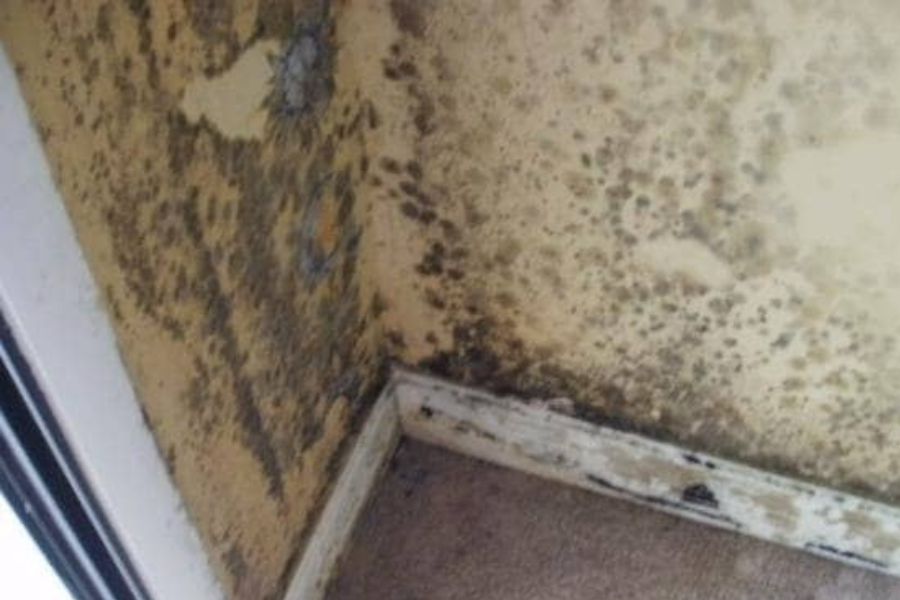
Mold growth from hidden pipe leaks often remains invisible behind walls until severe damage has already occurred
Connection points fail first. Where pipes join together or connect to fixtures, mechanical stress and thermal expansion create weak spots. Older compression fittings, threaded connections, and soldered joints all deteriorate over time. Even a tiny separation creates enough opening for water to escape.
Interactive Assessment: Is Your Home at Risk?
Score 1 point for each YES answer:
- Was your home built before 1980?
- Have you ever had a pipe leak or burst?
- Do you notice water pressure fluctuations?
- Have you seen rust stains in sinks or tubs?
- Are there water stains on any ceiling or walls?
- Does your water smell metallic or taste strange?
- Have you noticed increased water bills?
0-2 points:
Low risk - Continue regular monitoring
3-4 points:
Moderate risk - Schedule inspection soon
5+ points:
High risk - Contact professionals immediately
Temperature changes accelerate failure. Florida homes deal with hot water running through cold pipes, air conditioning cycling on and off, and seasonal temperature swings. These thermal cycles cause expansion and contraction that weakens pipe material and loosens connections. Each cycle brings you closer to failure.
Prevention and Maintenance Tips for Aging Plumbing
Check exposed pipes quarterly. Look under sinks, in utility rooms, and around water heaters. You're looking for moisture, discoloration, or active corrosion. Take photos so you can track changes over time.
Monitor your water meter for hidden leaks. Turn off all water sources in your home, then check the meter. If it's still moving, water is escaping somewhere in your system. This simple test catches slow leaks before they become emergencies.
Consider a whole-house water pressure regulator. High water pressure accelerates pipe wear and increases stress on connections. The IICRC recommends keeping residential water pressure between 40-60 PSI. Many Tampa Bay homes run at 80+ PSI straight from municipal lines.
Monthly Maintenance Checklist
- Inspect all visible pipes for moisture, corrosion, or discoloration
- Check water pressure at multiple fixtures throughout the home
- Run water at each fixture and listen for unusual sounds
- Look for water stains on ceilings, walls, and floors
- Test water meter for hidden leaks when all fixtures are off
- Examine areas around toilets, sinks, and appliances for dampness
- Document any changes with photos and dates
Install water leak detectors in high-risk areas. Modern smart detectors cost less than the deductible on a water damage insurance claim. Place them under sinks, near water heaters, behind washing machines, and in utility rooms. When they detect moisture, they alert your phone immediately.
Know your home's plumbing history. When were pipes last replaced? What materials were used? Having this information helps professionals assess risk and plan preventive replacements. If you don't know, consider hiring a plumber to map your system and identify vulnerable areas.
You can also learn more about how to handle burst pipes in our detailed guide that covers immediate emergency response steps.
When to Call Professionals for Emergency Response
Any active leak requires immediate professional attention. Don't wait to see if it gets worse. Turn off water at the main shutoff valve and contact our team immediately. Every minute water flows causes exponentially more damage.
If you smell must or see mold, stop investigating and call experts. Disturbing mold colonies releases spores throughout your home. Professional assessment determines the extent of contamination and whether the source is still active. We've seen too many homeowners make mold problems worse by trying to clean visible growth without addressing the moisture source.
Sudden water pressure loss often means a major pipe failure somewhere in your system. This isn't something you can diagnose yourself. The break could be in a wall, under a slab, or in your yard. Professional leak detection equipment locates the source without destructive guesswork.
24/7 Emergency Water Damage Response
Chris' Carpet Service & Water Restoration has served Tampa Bay since 1976 with IICRC-certified technicians and 60-minute average response time for emergencies.
📞 Call Now: (727) 888-5111
Serving Tampa, St. Pete, Clearwater, and surrounding areas
Learn About Our ServicesWater stains that keep reappearing indicate ongoing moisture intrusion. Painting over them won't solve the problem. The source must be identified and eliminated, then affected materials properly dried or replaced. This requires professional moisture meters, thermal imaging cameras, and structural drying equipment that homeowners don't have access to.
If you're buying an older home, make professional plumbing inspection mandatory before closing. Home inspectors check for obvious problems, but specialized plumbing assessments use cameras to inspect inside pipes and identify hidden deterioration. Spending a few hundred dollars on inspection beats spending thousands on emergency repairs after you've moved in.
Our experience with emergency steps for water damage has taught us that quick response saves thousands in repair costs. The same principle applies to pipe failures.
Frequently Asked Questions
How long do galvanized pipes typically last in Florida's climate?
Galvanized steel pipes in Florida homes typically last 40-50 years before requiring replacement. However, Florida's water chemistry and humidity can accelerate corrosion, causing some systems to fail earlier. If your home was built before 1980 and still has original galvanized plumbing, you should schedule a professional inspection immediately. The combination of internal rust buildup and external corrosion creates high risk for sudden failures and water damage.
Can I prevent pipe corrosion in an older home?
You can slow corrosion but not completely prevent it in aging pipes. Installing a whole-house water softener reduces mineral deposits that accelerate corrosion. Maintaining water pressure between 40-60 PSI decreases stress on pipes and connections. Water filtration systems that balance pH levels also help extend pipe life. However, these measures only delay the inevitable. Once pipes reach their design lifespan, replacement becomes the only reliable solution to prevent emergency failures and extensive water damage.
What's the average cost of water damage from a burst pipe in Tampa Bay?
Water damage restoration from burst pipes typically ranges from $2,500 to $10,000 depending on how quickly you respond and how much water escapes. A pipe that bursts overnight or while you're away causes significantly more damage than one discovered immediately. Costs include emergency water extraction, structural drying, demolition of damaged materials, mold prevention treatment, and reconstruction. Your homeowner's insurance may cover sudden pipe failures, but damage from gradual deterioration due to lack of maintenance is often excluded. We work directly with insurance adjusters to document damage and ensure proper coverage for qualifying claims.
Should I replace all my pipes at once or wait for failures?
Replace all pipes in one planned project rather than waiting for emergency failures. Reactive replacement costs significantly more because you're paying for emergency service, damage mitigation, and repairs to surrounding structures that wouldn't be affected in a controlled replacement. Planned whole-house repiping lets you schedule around your life, compare contractor quotes, and often upgrade to better materials at lower cost than emergency situations allow. If budget constraints prevent complete replacement, prioritize supply lines over drain lines, and replace pipes in areas where leaks would cause the most damage like above living spaces, near electrical systems, or in finished areas.
Don't Wait for Disaster to Strike
Old pipes don't give much warning before they fail catastrophically. If your Tampa Bay home was built before 1990, you're living with infrastructure that's reaching the end of its design life. Chris' Carpet Service & Water Restoration has nearly 50 years of experience helping homeowners prevent and recover from pipe-related water damage.
Our IICRC-certified technicians respond within 60 minutes on average for water emergencies. We're available 24/7 because pipe failures don't wait for business hours. Whether you need emergency water extraction, structural drying, mold remediation, or just want a professional assessment of your plumbing risks, we're here to help.
Call (727) 888-5111 for immediate assistance or request a free consultation.
For more information about protecting your home from water damage, check out our guide on faulty plumbing issues to watch for and learn about preventing water damage from leaky toilets throughout the Tampa Bay area.